Afghanistan War, Civil Liberties, Criminalizing Dissent, Human Rights, Iraq War, Prison Industry, Supreme Court, Surveillance, Targeting Muslims, Torture, Truth to Power, War Resister
Podcast: Play in new window | Download
Updates:
————
39 Ways To Limit Free Speech
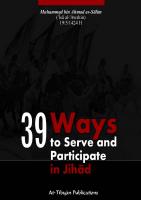
39 Ways To Limit Free Speech is the title Law Professor David Cole’s recent article. Earlier this month, a 29-year old citizen from Sudbury, Massachusetts named Tarek Mehanna was sentenced to seventeen and a half years in prison for translating a document. The text he translated from Arabic is “39 Ways to Serve and Participate in Jihad” and its all over the internet, you can read it says David Cole, but don’t try to translate it. One issue in the government’s prosecution of this case is the use of the decision from the Brandenburg v. Ohio case in which the Supreme Court established that standard in ruling that the First Amendment protected a Ku Klux Klansman who made a speech to a Klan gathering advocating “revengeance” against blacks and “Jews.”
Professor David Cole:
- He was accused of providing material support to al-Qaeda by translating various documents and videos from Arabic into English. There’s no allegations that Mehanna ever met with or even talked to a member of al-Qaeda. There are no allegations that the translations were delivered to or provided to al-Qaeda which was the designated group.
- The government argued that because he translated these documents and put them up on the web and hoped to encourage people to support jihad and support al-Qaeda, that’s enough to constitute material support.
- Here’s an instant in which the government is prosecuting pure speech but no showing that the speech was connected to illegal conduct, no showing that it was intended to produce eminent lawless action, which the Supreme Court said is required to produce under Brandenburg.
- It’s enough that he put it up on the web and wanted to support al-Qaeda.
- If that’s a crime what about the New York Times when it does a report on one of the many messages Osama Bin Laden put after 9-11?
- I represented the Humanitarian Law Project in the case that went to the Supreme Court in 2010, in which the HLP was in engaging in advocacy of human rights and peace, clearly non-violent, non-criminal conduct.
- But because they wanted to do it to and with the Kurds in Turkey and particularly the political representatives of the Kurds in Turkey which is the Kurdistan Workers Party (designated as a terrorist organization) the government argued that it was a crime to teach the KWP to bring human rights claims in Geneva and work with them in peace overtures to the Turkish Government.
- The Supreme Court upheld that, but doesn’t apply to independent advocacy. (until now)
- Now if you wanted your speech to support terrorist organizations, even if you did it independently of that organization, even if you never met or talked to anyone in that organization, we can make it a crime.
- Very much about declaring a “new front” in the war on terror and the front is going after internet propaganda.
- To me it recalls the kind of aiding the enemy prosecutions we saw in World War 1.
- We as citizens need to be active in monitoring and pushing back against this material support statute.
Guest – Professor David Cole teaches constitutional law, national security, and criminal justice at Georgetown University Law Center. He is also a volunteer attorney for the Center for Constitutional Rights, the legal affairs correspondent for The Nation, a regular contributor to the New York Review of Books, and a commentator on National Public Radio’s All Things Considered. He has been published widely in law journals and the popular press, including the Yale Law Journal, California Law Review, Stanford Law Review, New York Times, Washington Post, Wall Street Journal, and Los Angeles Times.
——————-

FAA Releases Lists of Drone Certificates—Many Questions Left Unanswered
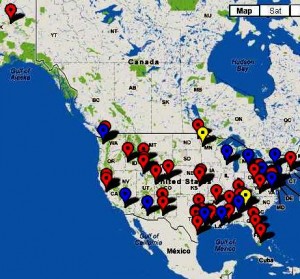
Earlier this year we discussed the partnership with Cornell University and Technion-Israel Institute of Technology. The two institutions are working together to build a campus in New York City. Technion is involved with developing robotic weapons systems, which include aerial drones, and unmanned combat vehicle technology. There are many more universities involved with drone technology. Through a series of Freedom of Information requests by the Electronic Frontier Foundation, the FAA has been forced to reveal approximately 63 active drone sites. These sites are located in 20 states and their owners include military and universities. Universities include Cornell, (which we just mentioned) the University of Colorado, Georgia Tech, Eastern Gateway Community College and many more.
Attorney Jennifer Lynch:
- We filed a FOIA request with the FAA last April asking for copies of all the certificates of authorization and the special air-worthiness certificates that the FAA issues to anybody to wants to fly a drone in the US.
- We asked for these lists which are called COAs, or Certificates of Authorization. The COAs apply to public entities like state and local law enforcement, universities, the federal government.
- We got two lists from the FAA and the FAA says these cover all of the entities that applied for an authorization to fly a drone in United States.
- They’re very interesting, the COA list includes some unsurprising entities like DARPA, DHS, Customs and Border Protection, the FBI, various branches of the military. We already knew those entities were flying drones.
- What was more surprising was the number of universities and colleges on the list.
- Universities that have an aerospace engineering program they may be seeking authorization so the students can learn about and design drones.
- The Electronic Frontier Foundation is a civil liberties non-profit, we focus on civil liberties and new technology, and we’re concerned about surveillance equipment used by the government.
- Drones are a duel use technology, they can be used for good or for bad.
- They can see inside buildings, survey an area at night with heat sensors, they also have the ability to carry communications intercept tools. You could swap out various payloads on a drone.
- Then of course these drones can carry weapons.
- You can build your own drone, DIYDrones.
- We don’t know too much about what’s going on now. The reason the EFF file the FOIA request in the first place is that we just don’t know how agencies are using these drones.
- What we found is that a lot of the police forces that have drones are required to fly them under 600 feet. If its something that flying under 600 feet you’re going to be able to see that.
- Congress was getting a lot of pressure, and the FAA was getting a lot of pressure from state and local law enforcement, the military and the federal government to authorize more drones to be used in the United States.
- We’ve heard from the Congressional Research Service that 1 in 3 warplanes right now is a drone.
- The wars are going to end and the military is going to want to something with these drones.
Guest – Jennifer Lynch, staff attorney with the Electronic Frontier Foundation and works on open government, transparency and privacy issues as part of EFF’s FOIA Litigation for Accountable Government (FLAG) Project. In addition to government transparency, Jennifer has written and spoken frequently on government surveillance programs, intelligence community misconduct, and biometrics collection. Prior to joining EFF, Jennifer was the Clinical Teaching Fellow with the Samuelson Law, Technology & Public Policy Clinic at UC Berkeley School of Law. At the Samuelson Clinic, Jennifer specialized in privacy and intellectual property issues, including investigations on social media, privacy and the smart electrical grid, digital books, and open source regimes for biotech. Before the Clinic, Jennifer practiced with Bingham McCutchen in San Francisco and clerked for Judge A. Howard Matz in the Central District of California. She earned both her undergraduate and law degrees from UC Berkeley.
—————————–
Afghanistan War, Civil Liberties, Criminalizing Dissent, FBI Intrusion, Human Rights, Prison Industry, Supreme Court, Surveillance, Targeting Muslims
Podcast: Play in new window | Download
Updates:
——
Snitching: Criminal Informants and the Erosion of American Justice
The FBI now spends more than 3 billion dollars a year on counter-terrorism, the bureau maintains a team of 15 thousand spies in a nationwide network of informants. Criminal informants or snitches are part of a criminal system most people know little about. Many of these informants are tasked with infiltrating Muslims communities in the United States. We’ve discussed in the past, the expanded FBI guidelines plus the broad over reaching powers and underhanded tactics the FBI use when targeting Mosques and Muslim Americans.
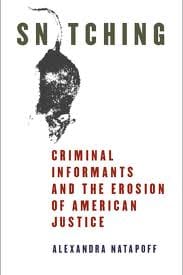
We talk today with Professor of Law and author Alexandra Natapoff, about her book Snitching: Criminal Informants and the Erosion of American Justice. Her book catalogues the downside in the use of snitches on social structure and democracy and suggests ways to make the use of informants acceptable within the criminal justice system.
Professor Alexandra Natapoff:
- Snitching is such a massive part of our criminal justice system even though the public rarely gets a good look at it.
- It’s an under the radar aspect of the way our criminal justice system handles investigations, the way it handles cases, the way it shapes our case law.
- It’s such a powerful deal, a deal that exerts a huge amount of influence and plea bargaining.
- The reality is that this is a deeply under-regulated arena. The handler is the law enforcement official who creates and uses an informant.
- It could be a police officer talking to a street corner addict cutting a deal right then and there.
- It could be an FBI agent who has an established documented supervised relationship with a long term criminal informant.
- Somebody may be suspected of a crime or even just of interest to the government. People who have mild brushes with the criminal system can end up through this mechanism of criminal informing entering into a world in which really anything can happen to them.
- Argument: Either you let us use informants in an unaccountable, invisible, secretive, undocumented way or we can’t run the criminal system at all.
- We permit the barter of crime under the radar, in a way that is unfair to other defendants and other suspects. We produce unreliable information through the use of informants without regulation.
- My contention is that we shouldn’t ban this practice, but run it as any other public policy with transparency and accountability and some rules.
- My favorite criminal informant of recent is Jack Abramoff.
- Usually we don’t learn when informants have been mistreated because often they have very little power.
- The courts have said, informants proceed at their own risk.
- This is a deal that they can enter if they want to risk their life.
- The law does not owe criminal informants much protection. Our criminal system is built on the principle that the defendant should not have to face the government unaided by council.
- That’s a principle that should be extended to criminal informants.
- The state of Florida passed a ground breaking law, called Rachel’s Law.
- What sort of deal should we permit the government to cut with informants?
- The use of criminal informants is a massive source of error in capitol cases.
- States across the country are starting to impose greater restrictions on the use of criminal informants, in particular jailhouse snitches as a way to improving reliability of the information.
- Confidential Informant Accountability Act – Federal Legislative Proposal
- One of the things the government doesn’t keep track of is how many crimes are committed by criminal informants in the pursuit of investigating new cases.
Guest – Alexandra Napatoff, professor of Law at Loyola Law School, Los Angeles, and a member of the American Law Institute. I have also been a federal public defender, a community organizer, and the recipient of an Open Society Institute Community Fellowship.
————–
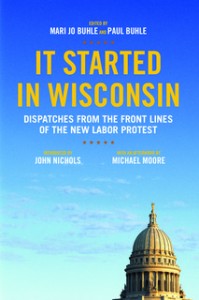
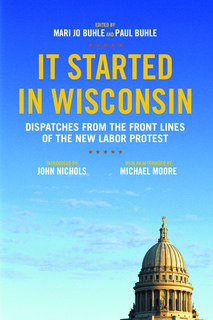
It Started in Wisconsin: Dispatches from the Front Lines of the New Labor Protest
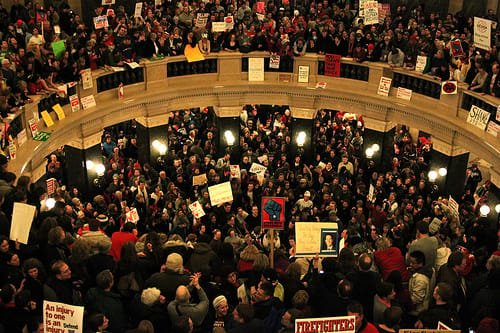
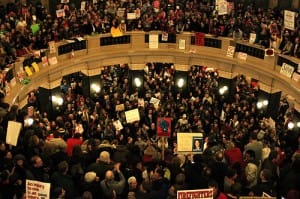
Remember the multi-day occupation of the Wisconsin State Capitol by tens of thousands of people. Massive demonstrations erupted when the Republican controlled state government proposed to dismantle public employee bargaining rights as Wisconsin trade unions already conceded to wage and benefit cuts. These protests became the largest labor demonstrations in modern American history. Protesters from the Middle East sent pizzas and solidarity as thousands occupied Madison’s Capitol building.
We’re joined today by Paul Buhle, historian, and editor of the book It Started in Wisconsin: Dispatches from the Front Lines of the New Labor Protest. A powerful collecton of eyewitness reports and essays by striking teachers, students, and many others. This book exposes the corporate agenda that imposed anti-union legislation across the country and highlights the power of the people coming together in protest.
Paul Buhle:
- Brecht Forum, Friday night – April 27,2012
- The “it” is very large, perhaps vaporous and very promising. We were thinking of occupy in the sense that Madisonians, labor supporters from as far away as California, occupied the State Capitol, the rotunda in February of last year and remained there for some weeks.
- The “it” may mean occupy or the emergence of a new kind of movement.
- We should have seen it coming but we were deluded or Walker, when running for election never mentioned these promises or threats at all and made some statements about getting along with unions when he was a county executive.
- The response was just as stunning as the shock. A mass outpouring that really began with students in Stoten, an old Norwegian community about half an hour south of Madison – working up their own protests with facebook to support their teachers.
- And then, the following weeks, a massive outpouring of people around the Capitol and then occupying the Capitol.
- Things went on and on until there were crowds of 150 thousand in a town of Madison that has normally only 250 thousand residents.
- Pacifica has been in the business from the late 1940s in the Bay area, in providing the documentation that other commercial radio stations rarely provide.
- I would say these protests in Wisconsin are probably the most recorded mass movement of the Left in recent history.
- Among the most important developments, relative to the stories in the history of labor, the unions of public workers are substantially, if not overwhelmingly women.
- So, the shape of the movement, perhaps its cultural character, perhaps the infernal degree of politeness that outsiders frequently complained about, the chant – let us in, let us in please.
- What it demonstrated was that women in the labor movement were ferociously militant.
- My assessment was that the labor movement was in no way prepared to stage a general strike.
- Nor that a massive walk out of public workers mean that the wheels of industry would stop what few wheels are left.
- The sense that public workers wish to put pressure on the political system.
- Contrary to our expectations of the Democratic Party in general, assorted leaders, were quite wonderful in their constituencies and the things that they did, and how they related to the movements.
- As an editor and producer of radical comics, I’m always interested in new developments in the field, and its exciting there are young comic artists who are working in and around “occupy.”
Guest – Paul Buhle, senior lecturer at Brown University, a historian of American radicalism., a former member of Students for a Democratic Society and author of many books including images of American Radicalism. Also, Che, A Graphic Biography, and Isodore Duncan, a graphic biography by Sabrina Jones.
———–
May Day: Workers’ Rights and Immigrant Communities
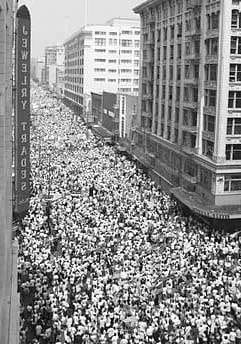
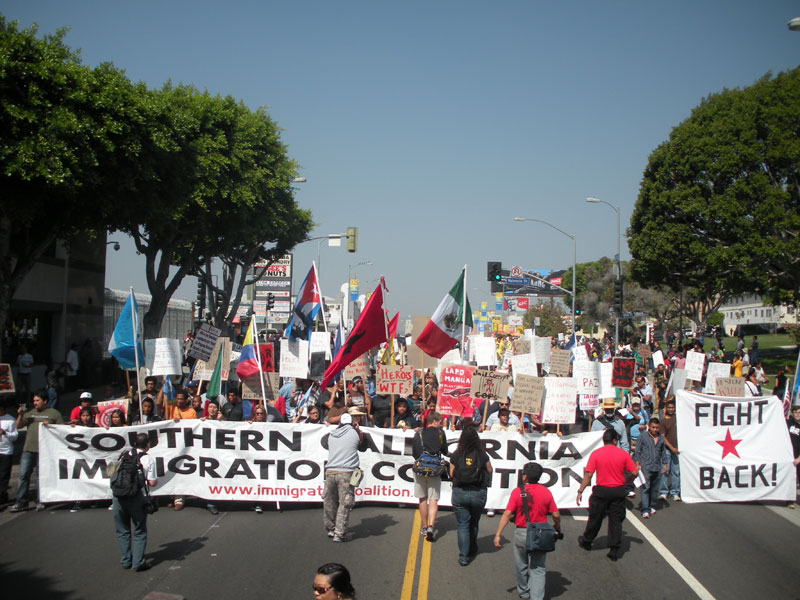
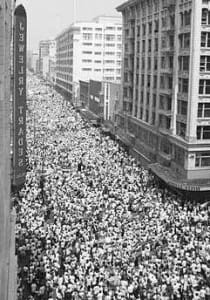
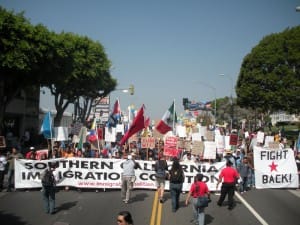
In the past year, public employees around the country have rallied to hold on to their collective bargaining, workers rights and pensions. May Day protests this year will emphasize these issues and will be especially significant for immigrant rights in California that directly effect certain communities. On May Day in 2006, hundreds of thousands took to the streets of San Jose marking one of the largest demonstrations in California history.
Guest – Celina Benitez, director of the Committee In Solidarity With the People of El Salvador, Celina is also with the Southern California Immigration Coalition and produces radio for Suplemento Comunitario on sister station KPFK in Los Angeles.
——————————————————-
Civil Liberties, Criminalizing Dissent, FBI Intrusion, Human Rights, Supreme Court, Surveillance, Truth to Power, War Resister
Podcast: Play in new window | Download
Updates:
—
Vodak Settlement: Setting Precedence For Demonstrations
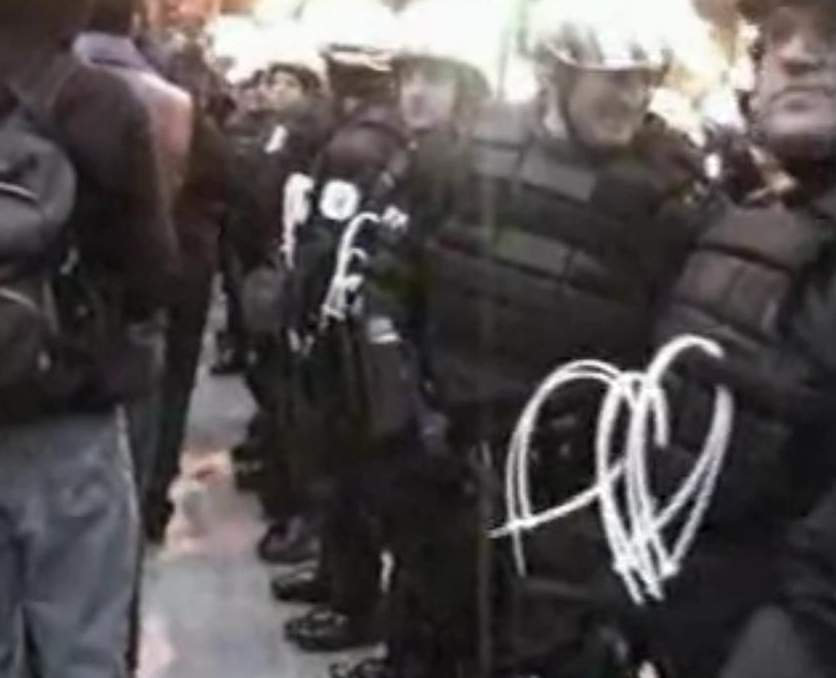
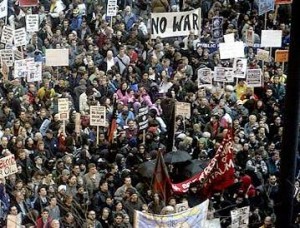
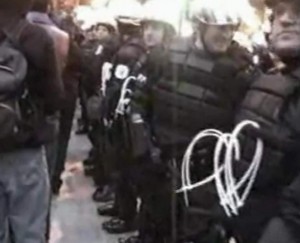
Attorneys with the National Lawyers Guild recently settled a class action lawsuit brought against the Chicago Police Department on behalf of protesters falsely arrested during a 2003 anti-war demonstration. On March 20 2003 nearly 10 thousand anti-Iraq War protesters marched through downtown Chicago before police surrounded a large group, trapping and arresting more than 700 people without ordering them to disperse. A Seventh Circuit ruling on the case (Vodak v. City of Chicago, 639 F.3d, 738 (2011)) held that police can’t arrest peaceful protesters without warning because the demonstration lacks a permit. This decision bears new weight in light of mass arrests within the Occupy movement. The National Lawyers Guild attorneys reached a 6.2 million dollar settlement in this case on the eve of a scheduled trial. The suit was litigated over the course of almost nine years by a team of NLG lawyers and legal workers including People’s Law Office attorneys Janine Hoft, Joey Mogul, Sarah Gelsomino, and John Stainthorp, as well as People’s Law Office paralegal Brad Thomson, and attorneys Melinda Power and Jim Fennerty.
Attorney Joey Mogul:
- We think it sends a significant message to Chicago and the Chicago Police Department that it must honor and respect people’s right to protest.
- It was the day that Bush had dropped bombs on Iraq. There was a massive out pouring of opposition, and people came down to the center of Chicago, to the Federal Plaza which is the heart of downtown. There were 10 thousand people and they marched on Lake Shore drive, and this was all permitted by the Chicago Police Department. This was a spontaneous demonstration, there was no written permit, but the CPD allowed it.
- Toward the end of the march, they decided that they wanted it to be over. They proceeded to surround everyone on Chicago avenue, and they prevented them from leaving, trapped them there for hours.
- They then proceeded to take over 500 people into police custody. 200 hundred were released, the rest were arrested with bogus phony charges of wreck-less conduct.
- They mass arrested everyone in that area including joggers and people shopping. It had an extremely chilling effect for people participating or near a demonstration.
- The message to the Chicago Police is that they cannot mass arrest people without giving orders to disperse.
- The new changes in the Chicago ordinances are very scary, it does allow for this increased surveillance of protesters and individuals seeking to protest.
- We’re very well aware of what the law is and we will seek to vindicate people’s constitutional rights.
—–
Brad Thompson:
- I’ve been working on this case since 2004, when I first started at the People’s Law Office.
- The work that I’ve done is a tremendous amount of discovery work in terms of going through the video work that was shot that night, by protesters, independent journalists, mainstream media and by the police.
- I did a lot in maintaining communication with class members. We had over 800 people that were taken into custody or held in the street for over 90 minutes.
- We did obtain over 250 affidavits by people who had their rights violated that night.
- The majority of protesters were from Chicago or the Greater Chicago area.
- I was one of the people taken into custody that night and released without being charged.
- I was witnessing the police aggressively arrest someone and I started to point and chant “shame” and then I became targeted. The police tackled me, and pulled me to my feet and struck me in the face which broke my nose and had a wound that required five stitches.
- I spent the night in jail bleeding all over myself.
Guest – Attorney Joey Mogul, partner at the People’s Law Office in Chicago and director of the Civil Rights Clinic at DePaul University’s College of Law. She focuses on civil rights cases involving police misconduct, criminal cases brought against individuals engaged in street demonstrations and other forms of First Amendment expression, and capital defense cases.
Guest – Brad Thompson, legal worker with the People’s Law Office in Chicago.
———–
Locking Away Children For Life Without Parole
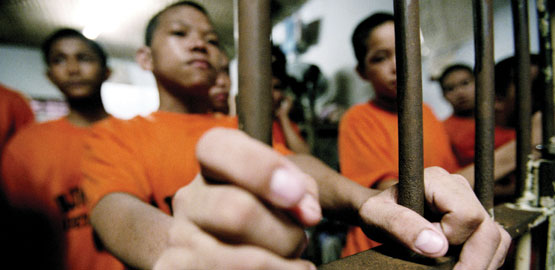
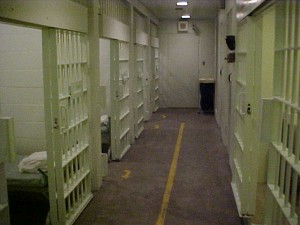
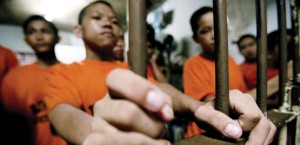
The United States is the only country in the world that sentences children to life, without the possibility of parole. Last month, the US Supreme Court revisited the question of whether juveniles convicted of murder should be given mandatory life sentences without the possibility of parole. The Supreme Court had once ruled against imposing death sentences on juveniles and imposing life sentences on youth who aren’t convicted of murder. Currently, 2500 kids in jail are serving life sentences without parole in the US. 371 of those individuals are in Michigan prisons. Our next guest has been working on a lawsuit on behalf of 9 Michigan individuals who were sentenced to life in prison for crimes committed when they were minors and who are being denied the possibility of parole.
Attorney Deborah LaBelle:
- The concept that we’ve been talking about that these are children both under international law and US law for civil matters, children are different from adults.
- The Supreme Court seemed to readily grasp that, they weren’t speaking about juveniles or teenagers or young adults, they spoke continuously on what to do about children who are involved in homicide crime.
- The court had two cases in front of them, both involving 14 year olds, one in which the 14 did not commit a homicide, but convicted of either felony murder or aiding and abetting.
- That juvenile got mandatory life without possibility of parole, because the child was sentenced as an adult, the other case, the 14 year old actually committed the homicide.
- There is a handful of states, Michigan and I think 8 others who treat 17 year olds always as adults for all purposes in the criminal justice system.
- Under the 38 states, there’s a whole range, some you can only get life without parole, if you’re 16 and up, some allow it for 15, some states allow it for a child of any age, Michigan is one of them.
- One of the justices talked about that. Is there an age in which we would all share a collective cringe. What about a 5 year old, what about a 10 year old.
- The frontal lobe area of the brain that really addresses impulse control and long term consequences, and control issues of risk management, is developing through adolescence.
- People draw the age at different points, some say not til 19, some not til 23 as you say.
- There’s a bright line in civil law that’s been drawn in civil law that youth have a maturity that they can vote, when they can decide to leave school, when they can drink in some places, when they can drive.
- There are these bright lines.
- Every other country who has signed on to the conventions of the rights of the child which prohibits putting children in prison for life without possibility of parole explicitly has recognized that this practice is banned.
- The only other country that hasn’t signed on is Somalia and they don’t quite have a government right now to do that.
- We stand alone in not adhering to that convention on the rights of the child as well as we stand alone on approving this sentence.
- We have over 2500 youth who are serving of life without any possibility of parole. About 70 percent are children of color. A third of them, did not commit homicides.
- No one is arguing that there might not be circumstances, that a state couldn’t decide upon review that child couldn’t be released. What the argument is, you can’t keep them in there without any hope. You have to give them an opportunity to demonstrate upon maturation that they have been rehabilitated and they aren’t a threat to public safety.
- We should think of putting children in places where we can nurture, council and believe in their rehabilitation and give them a second chance.
- I read transcript after transcript of judges saying, – listen I don’t want to do this to this 14 or 16 year old, but I don’t have any choice. What is the value of putting a child away with no hope. It’s certainly not a public safety issue, because that can be addressed by the state by having parole or review hearings.
Guest – Attorney Deborah LaBelle, an attorney with the ACLU of Michigan’s Juvenile Life Without Parole Initiative.
————————————————————
Civil Liberties, Habeas Corpus, Human Rights, Supreme Court, Surveillance, Targeting Muslims, Truth to Power
Podcast: Play in new window | Download
Updates:
——–
Nestlé Test Case: Charges filed on murder of Colombian Trade Unionist
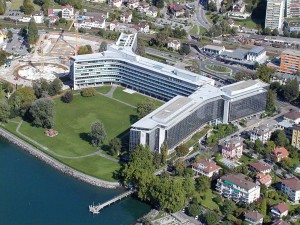
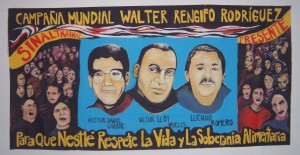
In a previous show we discussed the lawsuit Kiobel v. Royal Dutch Petroleum, a case pushing to hold corporations accountable for human rights violations. We talk today about a similar case. Recently a Columbian Trade Union filed charges against the Swiss company Nestle and members of its senior management. They are accused of failing to take precautionary measures for the 2005 murder of Luciano Romero. Romero was murdered by paramilitaries in Valledupar, a north eastern part of Columbia. His body was found with 50 stab wounds. Romero worked for a the Columbian Nestle subsidiary company Cicolac. Cicolac is accused of being negligent in failing to prevent this crime.
Attorney Wolfgang Kaleck:
- We are presenting cases against European Transnationals who are involved in human rights violations.
- One of our targets is Nestle’s, Switzerland whom we try to hold accountable for an assassination of a Columbian Trade Unionist Luciano Romero in 2005.
- The Nestle subsidiary was very close to the paramilitary.
- Columbia has a record of killing over 2000 trade unionists over the last 20 years.
- The solidarity movement here in Switzerland was very active of the defense of the threatened trade unionists. They were threatened over years, some of them had to go into exile, some of them moved within Columbia.
- What we accused them of is negligent killing through omission.
- If you go into a conflict region and if you link with one of the conflict parties, you can be held accountable.
- The companies have the duty of due diligence. You have the task to take a human rights risk assessment. Then you have as a mother company, you have a role to play for your subsidiaries.
- That’s why we presented the case here in Switzerland, we’re not only talking about the murder in 2005, we’re also talking about future responsibilities of transnational companies.
- That’s why the whole complaint here, got huge media coverage.
- The managers who we are suing live in Switzerland, and are Swiss citizens.
- We want the prosecutor in Switzerland to undertake an investigation.
- In Columbia there is no real possibility to sue a transnational company, but this is why the Swiss judges and prosecutors have to act right now.
- The spectacle in the German and Swiss media helped us put the problems on the table.
- Havard Professor was appointed by the UN to elaborate principles to regulate the behavior of transnational companies and human rights. The principles are very general.
- The prosecutor got quite a difficult criminal complaint. He has to decide in the next weeks or months to open this criminal procedure.
- Nestle did the other way around, because they didn’t like the trade unionists. They were an obstacle.
Guest – Attorney Wolfgang Kaleck, General Secretary and co-founder of ECCHR, specializing in criminal law, he has established an international reputation as an advocate for human rights. He made a name for himself when he filed suit against the U.S. Defense Minister Donald Rumsfeld for war crimes and torture committed at Abu Ghraib and Guantanamo Bay.
———
Exposed: NYPD Surveillance of Muslims Spill Over Into Other States, Africa and Europe
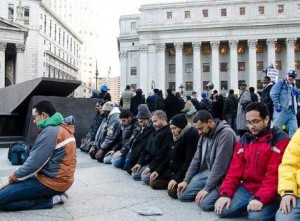
We’ve covered a wide range of stories involving the FBI spying on Muslim students and using undercover agents at mosques. Last month, news of this spying had broke into the mainstream news. The New York Police Department’s ongoing surveillance operations of Muslims across the Northeast has exposed a broad spectrum of civil rights violations. Documents recently obtained by the Associated Press reveal the NYPD built databases showing where Muslims live, buy food, and where they watch sports. The NYPD municipal spy operations spilled out of New York City and reached into New Jersey, Long Island and to colleges across the Northeast.
Cyrus McGoldrick:
- This program amounts to a comprehensive and warrant-less and invasive surveillance program of all Muslim life.
- Not just here in New York City but now we have reports of cops going down to UPenn in Philadelphia.
- Up to Yale in New Haven, Albany and Buffalo. It’s even worse than that. NYPD officers out in North Africa and Europe.
- This is one of the worse things I’ve seen is people being scared out of their public activities. I think there’s a fear of speaking publicly about things.
- We’re hearing reports of a network of up to 15 thousand informants feeding information to the NYPD.
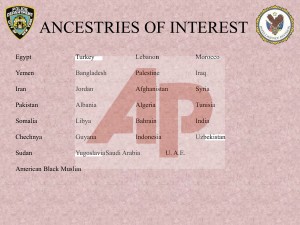
- One of the earliest documents that came out was a powerpoint presentation from the NYPD called the demographics unit. The third or fourth slide in this document is titled “ancestries of interest.”
- Anyone who is trying to make the argument, “they’re trying to protect us” they need to see this slide.
- It’s human mapping, community mapping, modeled off of how Israelis operate in the West Bank.
- It’s essentially Muslim until proven innocent.
- The documents are there, they’re online, we’ve seen them for ourselves. I would love to put Mayor Bloomberg in front of the power point presentation of the demographics unit and let him justify that.
- They’ll trot out pictures of terrorists and say this is what we’re keeping you safe from .
- You’re really in danger of honey bees than from a terrorist attack
- And don’t let the NYPD tell you that that’s because they’re spying on Muslim students from Philadelphia to New Haven because that’s not the case.
- There’s maybe two cases where the FBI was not the primary planner of that attack.
- Within 200 miles of New York City, the NYPD are sending people just a shocking number of informants and sometimes undercover officers culling political speech, political activity, hearing what people are talking about.
- So they’re watching everything they can, and anyone who is expressing some anger.
- Watching for raising a dissenting voice, that’s what the rakers were.
- Mosque crawlers played a similar role.
- Rakers is a more general term for the invasion, infiltration.
- We’re lucky that this got discovered.
- The involvement of the CIA is very interesting. David Cohen from the CIA who came to the NYPD after 9/11. Sometimes they refer to him as a former CIA agent. I’m not sure that’s a type of club you can leave.
- There are other CIA agents that were on CIA payroll but were posted in the NYPD.
- Later, the CIA actually removed the officers that were in the NYPD because of a lack of supervision, they called it.
- When you see these people lining up to defend this, you have to wonder why.
- They’re using the fear of us to get to your rights.
- It’s really amazing the assumptions of power that the government has justified with the war on terror.
Guest – Cyrus McGoldrick, Civil Rights Manager with the Council on American-Islamic Relations-New York
—————————–
Civil Liberties, FBI Intrusion, Human Rights, Supreme Court, Surveillance, Truth to Power
Podcast: Play in new window | Download
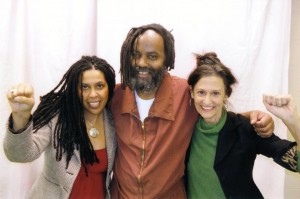
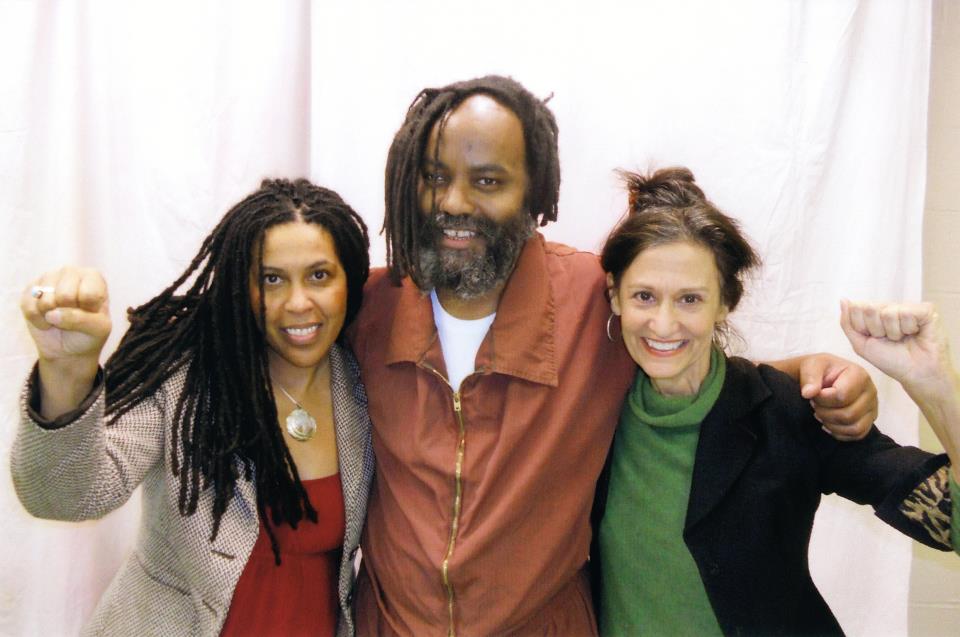
Heidi Boghosian Updates on Mumia’s Visit
Iran: Sanctions and Syria
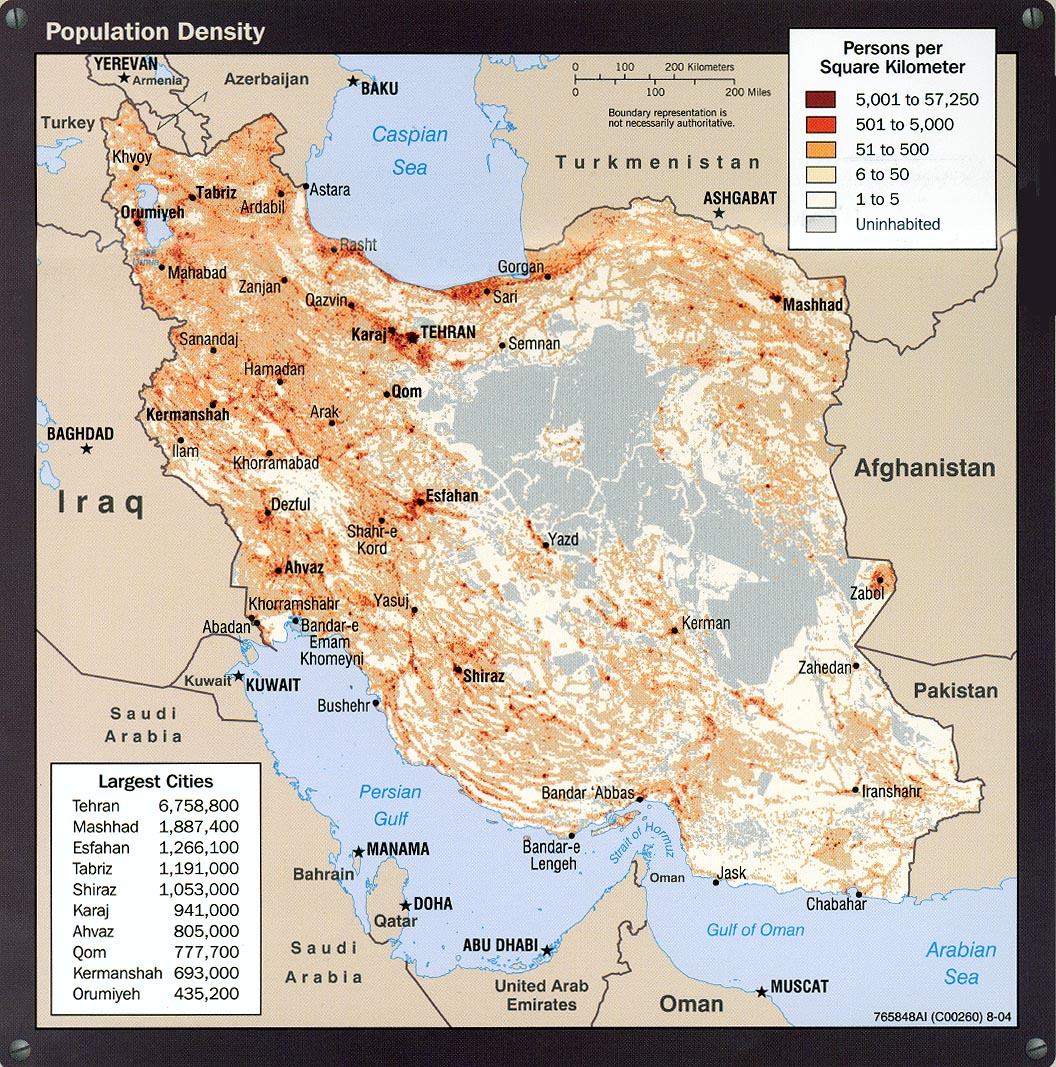
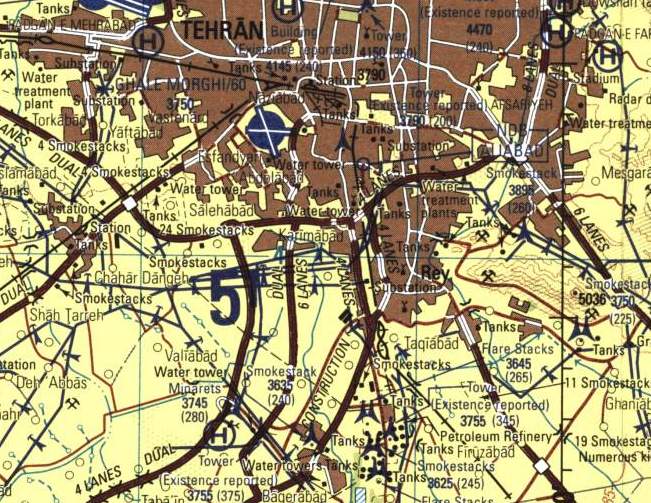
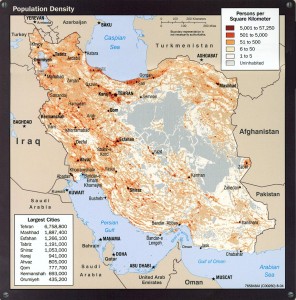
Israel and the United States continue to assert that Iran is enriching uranium to make nuclear weapons. As we’ve recently reported, the main stream media has followed lock step with this assertion by printing false claims and half truths about Iran’s nuclear facilities. Hinged on these false assertions, and baseless assumptions, sanctions are now being imposed by the EU and the United States against Iran.
Phyllis Bennis:
- The escalation of rhetoric, having nothing to do with reality, is boxing in a incredibly dangerous situation, in which political leaders are boxing themselves into situations they can’t walk back from.
- It’s a little bit different than the weapons of mass destruction, when you had leading neocons in those positions, in the pentagon, in the CIA, saying there is no question, there are WMDs.
- They were all lying. The difference here is that the key people in these positions are saying directly we don’t even know whether Iran has even decided in this case to build a nuclear weapon.
- At the same time, they’re allowing this unquestioned ratcheting up of the rhetoric for purely political motivations.
- We’re seeing the same situation in Israel.
- The main factor right now is Israel. The US Congress, the US press, are responding to these false claims from Israel that Iran represents an existential threat.
- The role of the Israeli lobbies is an old story.
- Republicans are saying Obama is soft on Iran. In that context an election year there’s no way that President Obama is going to be willing to walk back from this escalating rhetoric that we heard right before the superbowl on Sunday night.
- I’m always astonished when I hear it from anybody, that after the war in Iraq, after the war in Afghanistan people somehow still have the idea that you can just go in with a few air strikes and that’ll be all it takes.
- There are inspectors on the ground, they’re watching 24/7 video from inside the enrichment centers.
- If Iran wanted to the divert the enriched uranium for weapons purpose, they would have to kick out the inspectors, or slash the locks that the inspectors put in, either way the world would know about it within hours.
- War with Iran, should be off the table.
- I don’t think its inevitable. I think its 70/30 right now. Meanwhile, nobody’s going to think about pressuring Israel on the issue of Palestine.
- There ha’ve been 5 high profile assassinations of Iranian nuclear scientists.
- Syria: On the one hand you have an incredibly repressive regime, responding to a domestic uprising with amazing horrifying levels of force. And parts of the resistance taking up arms in response.
- Syria is a strategic ally of Russia. For Russia that is the most important thing.
Guest – Phyllis Bennis, director of the New Internationalism Project at the Institute For Policy Studies. She is also a fellow of the Transnational Institute in Amsterdam. Phyllis has been a writer, analyst, and activist on Middle East and UN issues for many years. In 2001 she helped found and remains on the steering committee of the U.S. Campaign to End Israeli Occupation. Phyllis is also the author of many books including Understanding the US-Iran Crisis: A Primer (2009).
—–
3 Year Evaluation of the Obama Administration
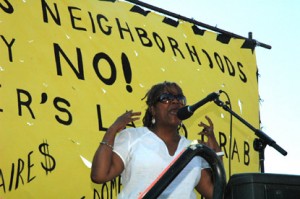
The Obama Administration has expanded wars abroad from Iraq, Afghanistan, Pakistan, Yemen and Libya. It’s continued and expanded detention policies for Guantanamo Bay prisoners and US citizens. Wall Street and big banks have been bailed out and the Healthcare bill was used a bargaining chip for insurance companies. The cautious optimism that progressives and the African American community initially had for the Obama Administration is long gone. However, there were some that were never taken in or mesmerized by the possibility of hope. Our guest today, Nellie Hester Bailey calls this administration a browner hue of imperialism and asks how long can people be herded like sheep into this nightmare of compromise. We welcome her back to the show, she’s a long time human rights activist from early organizing with the Student Non-violent Coordinating Committee, to tenant rights and anti-war demonstrations, to advocacy on behalf of women, Bailey has been at the forefront of social justice and social change organizing. We look back at the last 3 years of the Obama Administration and take a look ahead.
Nellie Hester Bailey:
- President Barack Obama, he is a gatekeeper for imperialism.
- They chose him to be their standard bearer for this new era of redefined politics down to this humanitarian intervention I think has proven to be the worst of any forboding that in fact in goes beyond the right wing politics of President Bush.
- Sidetracking OWS: This new movement Occupy the Dream making it an extension of the Democratic Party. This cooptation process is in full throttle.
- One would hope that this Occupy Wall Street above all would retain its independency.
- 2008 Presidential Election: Extremely promising because it gave the appearance of the attempt of the government to face head on the entrenched and historic racism in this country.
- A very powerful symbol of the a black family in the Whitehouse and what that would mean in the public consciousness on race here in America.
- Once Barack Obama was elected president to the US, it did give rise to a paralysis of the movement.
- What we saw with the advent of the Occupy movement was the stimulation of white America to fight back against the anti-working class measures coming down.
- The Occupy movement was our own Arab Spring, if you will by the communities coming under increasing assault.
- There is a direct action working group within the Occupy Wall Street movement that recently announced it was laying out a six month plan of action.
- One would hope that would be independent of the Democratic Party.
- The conditions on the ground have began to organize people and effect their consciousness.
- I do not believe that capitalism can be reformed.
- We need a new political paradigm that is founded on principles of humanity, on principle of respect to the environment, an anti-war principle, the respect of sovereign nations.
- Radio Show: Inside Housing on WHCR 90.3 FM. Mondays 6-7PM – The Voice of Harlem.
Guest – Nellie Hester Bailey, is a human rights activist who has worked in peace and justice movements for over forty years. From her early organizing with the Student Non-violent Coordinating Committee, to tenant rights and anti-war struggles, to advocacy on behalf of women Bailey has been at the forefront of social justice and social change organizing. Bailey co-founded the Harlem Tenants Council (HTC) in 1994. She currently serves as Director of the tenant led grassroots organization based on the self-determination tradition of radical activism that provides anti-displacement organizing for poor and working class families primarily in Central Harlem.
————————————–
Civil Liberties, Criminalizing Dissent, Gaza, Guantanamo, Habeas Corpus, Human Rights, Prosecution of the Bush Administration, Supreme Court, Surveillance, Targeting Muslims, Torture, Truth to Power, War Resister
Podcast: Play in new window | Download
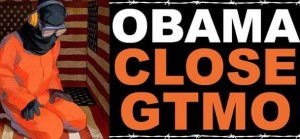
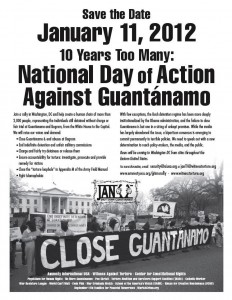
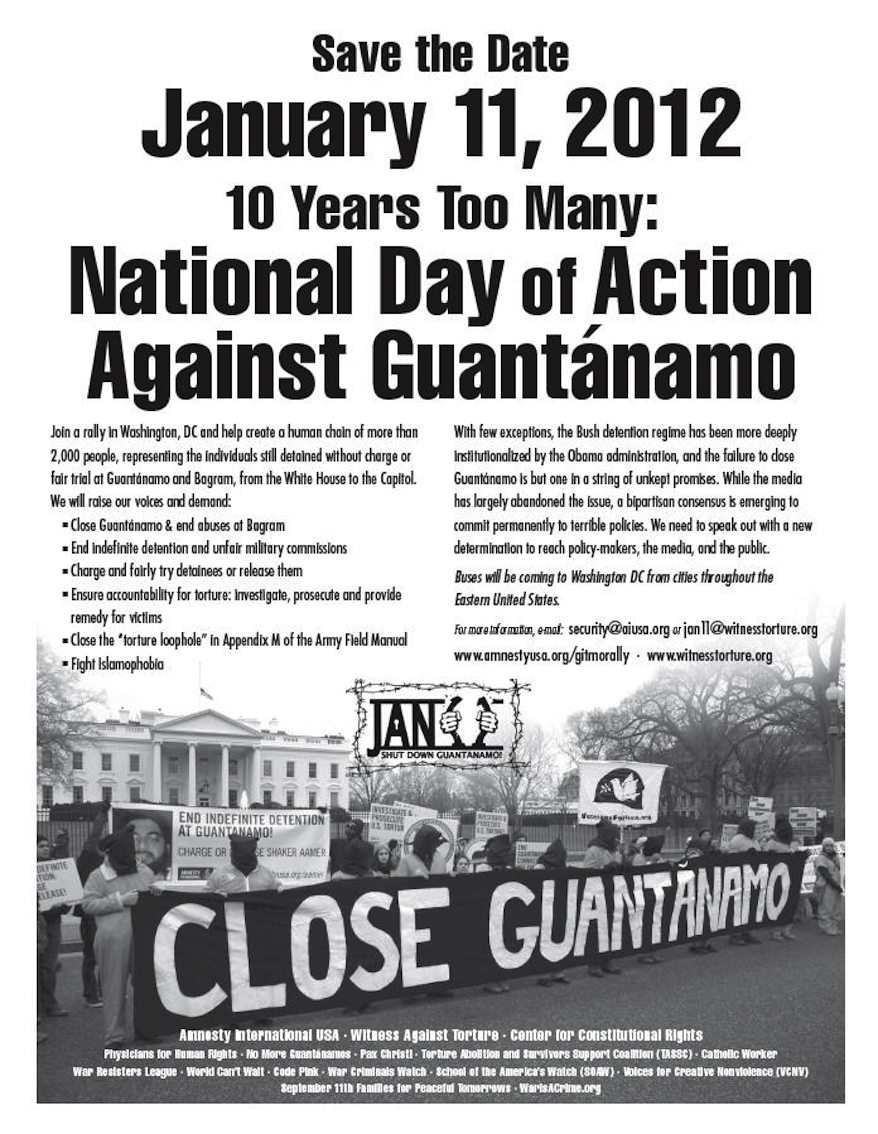
Ten Year Anniversary of Guantanamo Bay Prison
Co-host Michael Ratner and president emeritus of the Center for Constitutional Rights gives listeners an overview of the habeas corpus legal battles to close Guantanamo Bay prison and an in depth look at the corrosive effect the offshore prison has had on civil rights, and the U.S. Constitution. Despite the fact that the U.S. government has itself cleared more than half of these men for release, and despite President Obama’s promise on his second day in office to close Guantánamo within a year, it has been almost twelve months since anyone has been released.
This is the longest period of time that has elapsed since the prison’s opening without a single person being set free.The Obama administration has also extended some of the worst aspects of the Guantánamo system by continuing indefinite detentions without charge or trial, employing illegitimate military commissions to try some suspects, and blocking accountability for torture.
—-
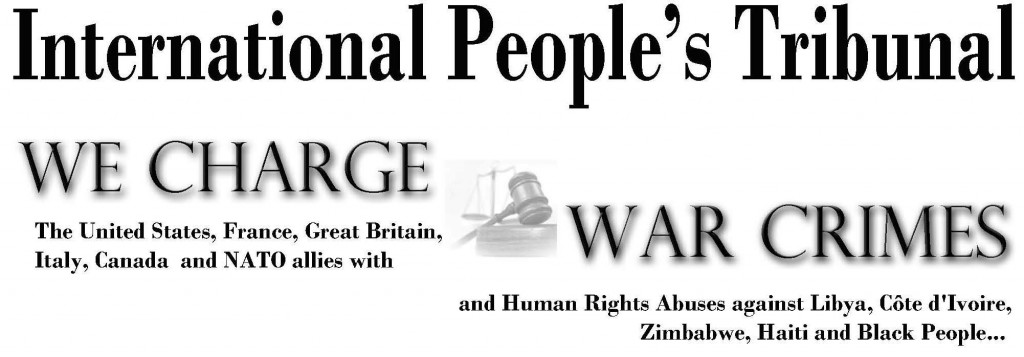
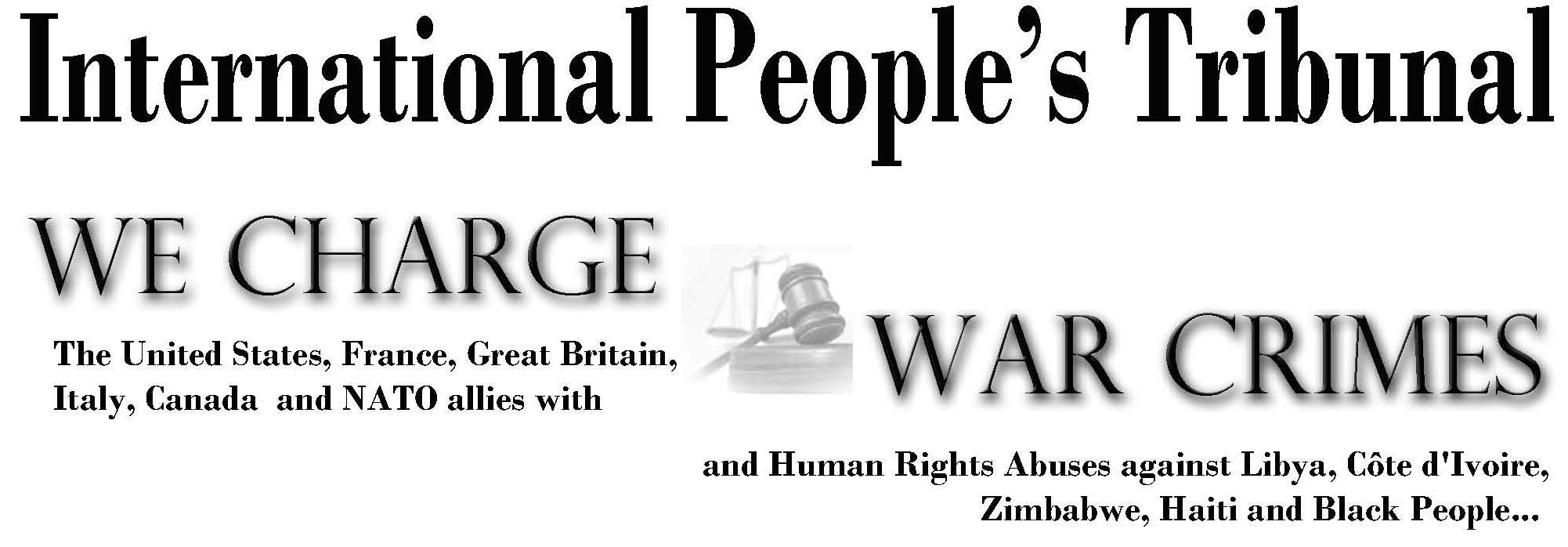
International People’s Tribunal on “War Crimes and Other Violations of International Law
International People’s Tribunal on “War Crimes and Other Violations of International Law” to be held on January 14, 2012 at 12 pm at Columbia Law School. The event will provide an excellent opportunity for students interested in gaining an understanding the theory and the practical application of international law in the real world.
Attorney Roger Wareham:
- The genesis of the tribunal began during the intervention in Libya.
- Back in May the December 12th movement always has a celebration of Malcolm X’s birthday, May 19.
- This is part an ongoing campaign to re-colonize the African continent.
- Libya was important to that for a number reasons. Libya has some of the best crude oil in the world that requires the least amount of production in terms of transforming it into gasoline.
- Col. Gaddafi stood for the proposition that there would be a United States of Africa.
- Libya had the highest standard of living on the African continent.
- What we hope to come out of this is fashion a petition to take before the International Criminal Court.
- The plan is we’ll going to take at least a 400 people strong delegation to the Hague in June to present a petition to the prosecutor, requesting they prosecute the heads of NATO, Britain, Canada, Italy, for war crimes.
- Saturday January 14, 2012 / Columbia University Law School / 435 West 116th Street / 718-398-1766 / iptribunal2012@gmail.com
Guest – Roger Wareham, lawyer and political activist of over four decades. He is a member of the December 12th Movement, an organization of African people which organizes in the Black and Latino community around human rights violations, particularly police terror. Wareham is also the International Secretary-General of the International Association Against Torture (AICT), a non-governmental organization that has consultative status before the United Nations.
—-
Cornell and The Technion of Israel To Build Campus On Governor’s Island
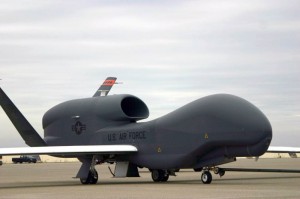
As many listeners may know, Cornell University is joining with Technion-Israel Institute of Technology in a plan to build a campus in New York City. Critics however, point out Technion’s involvement with the Israeli Defense Force in the development of repressive technology that would further perpetuate crimes against Palestinians. Through cooperative research with Israeli defense companies such as Elbit, Rafael, McGill and Concordia, Technion is involved in asymmetrical robotic warfare with faceless human targets who can be killed by remote control.
To talk more about this, we’re joined today by David Klein, a professor at California State University in Northridge and a member of the Organizing Committee of the U.S. Campaign for the Academic and Cultural Boycott of Israel.
Professor David Klein:
- It is a collaboration between Cornell University and Technion which is like Israel’s MIT.
- There’s a 350 million dollar grant from a philanthropist, which has been supplemented with 100 million dollars in public money.
- I’m a member of the Organizing Committee of the U.S. Campaign for the Academic and Cultural Boycott of Israel.
- The demands that we have are ending the occupation and colonization all Arab lands and dismantling the apartheid wall.
- Recognizing the fundamental rights of Arab / Palestinian citizens of Israel to full equality.
- Respecting and promoting the rights of Palestinian refugees to return to their homes and property as stipulated in UN resolution 194.
- Technion is deeply complicit with Israel’s military and provides the military with technology to carry out ethnic cleansing of Palestinians.
- Participants in a joint military and university program for science students, who will later be integrated into the Army’s research and development units, wear uniforms throughout their years of study.
- It’s particularly strong in developing robotic weapons systems, which include aerial drones, and unmanned combat vehicle technology.
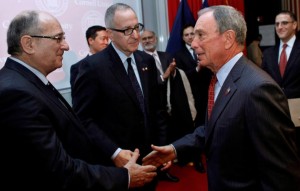
- I think Bloomberg is supportive of the apartheid system in Israel. He wouldn’t view this as a problem like much of the rest of the world does.
- The crime of apartheid is an international crime against humanity.
- In addition to aerial drones, Technion makes the Black D9 Bulldozer, it makes the Stealth UVA Drone, which is a drone that can fly almost 3000km without refueling.
- It’s making something called the Dragonfly UVA mini-drone, which is a tiny drone with a 9 inch wingspan. It can fly into people’s bedroom windows and kill em.
- Technion is involved in asymmetrical robotic warfare with faceless human targets who can be killed by remote control.
- Israel is arguably the most racist country at this time, due to the apartheid system that it has.
Guest – David Klein, member of the Organizing Committee of the U.S. Campaign for the Academic and Cultural Boycott of Israel (www.usacbi.org), and is a professor of mathematics at California State University, Northridge (CSUN). He received his Ph.D. in Applied Mathematics from Cornell University. His professional interests include mathematical physics, climate science, and mathematics education in the public schools. He is the faculty advisor for the campus student groups, Students for Justice in Palestine and the CSUN Green Party. David Klein’s website
——
CCR Lawsuit: Stop and Frisk NYC
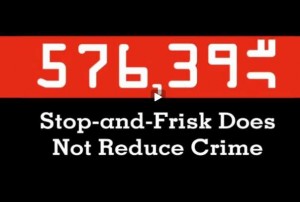
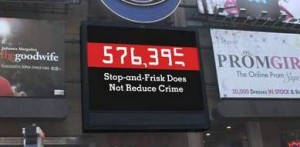
Last year, a federal judge rejected a move by the City of New York to stop a lawsuit filed by the Center for Constitutional Rights challenging the New York City Police Department’s Stop and Frisk policy. Judge Shir Scheindlin pointed out the seriousness of numerous claims that the NYPD disproportionately and illegally targeting communities of color. In 2009 New York City, a record 576,394 people were stopped, 84 percent of whom were Black and Latino residents — although they comprise only about 26 percent and 27 percent of New York City’s total population respectively. The year 2009 was not an anomaly. Ten years of raw data obtained by court order from the New York City Police Department (NYPD) show that stop-and-frisks result in a minimal yield of weapons and contraband.
Attorney Darius Charney:
- Stop and Frisk is a city wide epidemic. We’ve gone from 90 thousand in 2002 to 700 thousand this year. They’re stopping 2000 people a day, primarily young males of color but also females of color.
- There are really know criteria as far as we can tell. There are guidelines that have been laid out by the courts in the last forty years. The police don’t follow those guidelines. They’re suppose to reasonable suspicion of criminal activity.
- They’re stopping people for what’s called “furtive movements” whatever that means.
- The other one is “high crime neighborhood.” The court had ruled that this is unconstitional, you can’t use the basis of a high crime neighborhood to stop and search them.
- Yet again, the police are doing that hundreds of thousands of times a year.
- The two allegations we made is that the NYPD has a widespread policy and practice of stopping and frisking New Yorkers without reasonable suspicion which violates the fourth Amendment of the Constitution and then on the basis of race which violates the Equal Protection clause of the 14th Amendment of the Constitution.
- The blacker or browner that neighborhood is, the more stops that are going to be done in that neighborhood.
- The other part is the weapon recovery rate, the police department justifies this program by saying, we’re trying to get guns off the street.
- Last year in 2010, they stopped over 600 thousand people. The number of guns recovered in those 600 thousand stops was 1200 guns.
- Relief sought in class action suit: Outside independent oversight of the police department.
Guest – Darius Charney, senior staff attorney in the Racial Justice/Government Misconduct Docket. He is currently lead counsel on Floyd v. City of New York, a federal civil rights class action lawsuit challenging the New York Police Department’s unconstitutional and racially discriminatory stop-and-frisk practices, and Vulcan Society Inc. v. the City of New York, a Title VII class action lawsuit on behalf of African-American applicants to the New York City Fire Department which challenges the racially discriminatory hiring practices of the FDNY.
——————————————-