Civil Liberties, Criminalizing Dissent, Habeas Corpus, Human Rights, Iraq War, Supreme Court, Truth to Power, War Resister
Podcast: Play in new window | Download
Updates:
——–
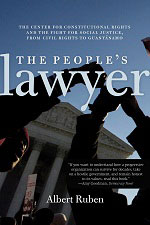
The People’s Lawyer: The Center for Constitutional Rights and the Fight for Social Justice, From Civil Rights to Guantánamo
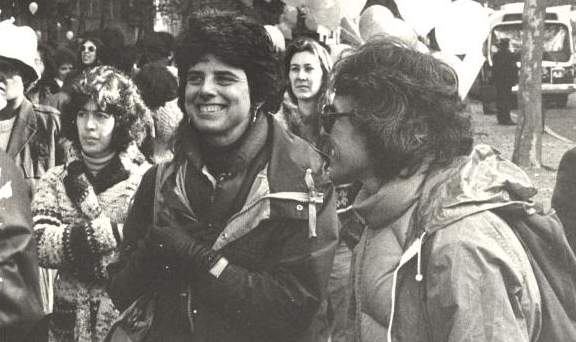
The People’s Lawyer by author and Guild writer Albert Ruben, is the first comprehensive history on the Center For Constitutional Rights and tells the Center’s story from the civil rights era to today’s legal battles on habeas corpus, torture and Guantanamo Bay Prison. The book highlights critical legal fights taken on by CCR revealing innovative tactics that have evolved within the radical organization. Albert Ruben points how the Center for Constitutional Rights continues to fight with the same spirit, audacity and courage it was founded with. As many listeners may know, CCR has been an important corner stone to this radio show because our own Michael Ratner has been with the Center for 4 decades.
Albert Ruben:
- The founders (of CCR) were 4 in number. They were Arthur Kinoy, Morton Stavis, Bill Kunstler and Ben Smith. Smith was a Southerner, he had an office in New Orleans, and Stavis, William Kunstler, and Arthur Kinoy were northerners who were working for civil rights in the South.
- They were all working their separate beats, they all knew each other and were in communication about the work they were doing. They decided that they needed something, primarily financially, to keep their work going.
- So they got in touch with a lawyer they all knew with financial means named Robert Boem. They incorporated it in New Jersey, and it became ultimately the Center for Constitutional Rights.
- They had a very small office at the beginning with one lawyer in Newark.
- The anti-war movement, the McShirley Case. It threw the Center into the government misconduct orbit. It was in the course of litigating that the Center became aware that the Federal Government was not going to be on the side of the angels.
- (From Wikipedia) Dombrowski alleged that members of his organization, the Southern Conference Educational Fund, were subjected to continuous harassment, including arrests without intent to prosecute, and seizures of necessary internal documents. Furthermore, the State was threatening to use anti-subversion statutes to prosecute the organization, which was a group of Southern liberals dedicated to fighting for civil rights for Blacks in the South.
- The Dombrowski case, allowed the Center and a lot of lawyers to use that decision to challenge cases that brought against civil rights attorneys and a lot of people who were working in the South and caught up in state laws, that were using anti-red laws to take them out of state courts and bring them into federal courts.
- So, the Center lawyers were very acutely aware that they had on their side the federal courts. What happened with McShurley, was that it overturned that faith in the federal court system. The case led the Center to realize that government misconduct was an area that would be of interest. They could no longer count on federal court to be their allies.
- There were women on the staff of the Center who were both Center lawyers as their occupation but they were also women, and as women they were caught up in the womens movement. They brought the two together.
- It was the early days of the womens movement. The Center didn’t see itself as a place that would take on criminal law, it was more of a movement organization. The politics of the founders were central to their beings. They made their politics guide them in whether a case was something that they should adopt.
- Part of the Center for Constitutional Right’s mission was educational, that’s not understood I think.
Guest – Albert Ruben, screen and television writer and has served as an officer of the Writers Guild of America East.
—
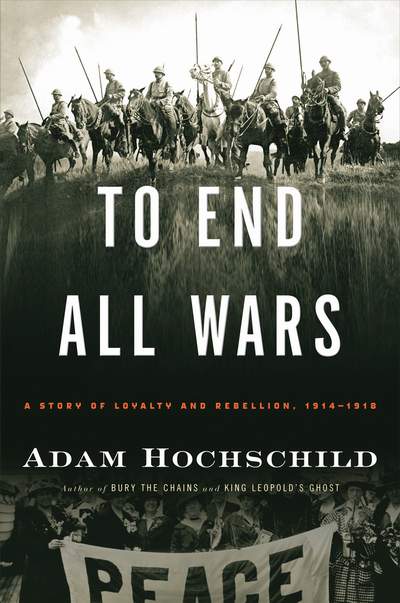
TO END ALL WARS: A Story of Loyalty and Rebellion 1914-1918
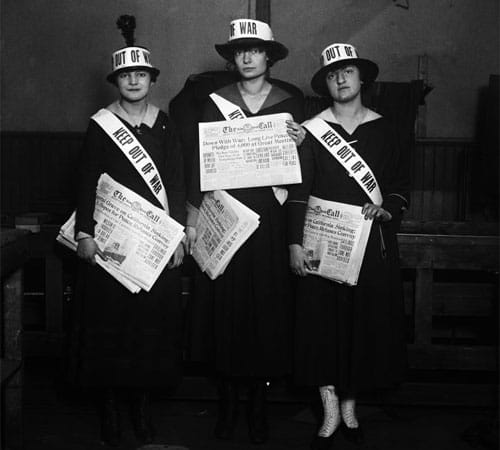
We welcome returning guest Adam Hochschild, historian and author of the new book TO END ALL WARS: A Story of Loyalty and Rebellion 1914-1918. In the book, Hochschild has focused on the antiwar movement in Great Britain. Near the beginning of World War I, 20 thousand British men refused the military draft on principle, others were conscientious objectors and nearly 6 thousand of the men were sent to prison. Hochschild relied on personal letters, diaries and memoirs to assemble this unique historic report on Britain’s powerful anti-war movement. The book also unearths how anti-war activists were monitored constantly by civilian and military intelligence as agent provocateurs bragged about their accomplishments. To End All Wars is a compelling account of the heroic anti-war struggle while top writers in that period such as Rudyard Kipling and H.G. Wells, contributed rhetoric to support the war propaganda.
Adam Hochschild:
- I always like to think we can learn things from history. I think you learn to be inspired by people who stuck to their ideals, even in very difficult times,
- I thought it would be a challenge to write a book centering around people who I admire tremendously although they lost, the cause that they were struggling for. I’ve always been fascinated by the first World War, which remade the world for the worst in every conceivable way and killed around 20 million people in the process.
- I’ve been particularly struck by those resisted that war on both sides, who said this war is not worth these millions of lives and we’re not going to fight.
- I wanted to talk about 2 different people in this war, the generals who fought this terrible war filled with illusions, that the next battle would bring a great victory, and then I was also fascinated by these pacifists and war resistors.
- 20 thousand men of military age, refused to go into the British Army. The largest outright refusals in any of the warring countries. Of that number many of them accepted alternative service under conscientious objector. Driving ambulances, or work in war industry factory.
- Many men refused that and more than six thousand went to prison.
- Aggression among Germany and Austria-Hungary did really ignite the war. You can’t really say its a war between good guys and bad guys, because the allies at first were Britain and France allied with Russia. The absolute last remaining monarchy in Europe.
- Wonderful trilogy of novels by Pat Barker, The Eye In the Doors. Had I been alive in that time in 1917, I would like so many people did at that time, who greeted the Russian Revolution with enormous hope.
- I guess I’m thinking more than anything else, of the way the first world war, made the second world war almost certain. There was something about the way the war ended that gave rise to bitterness and the Nazis in Germany.
- Right up to the very last minute, the German people were fed a diet of totally triumphant propaganda.
- Eugene Debbs got up of his sick bed to do a speaking tour against the war. The Wilson administration charged him with subversion, he was still in prison when got nearly a million votes for president of a Socialist party ticket.
- Illusion that the war is going to solve more problems than it causes. Another illusion is that it will be over quickly, you remember George Bush on the aircraft carrier.
Guest – Adam Hochschild, award-winning author and journalist who has written for The New Yorker, Harper’s, The New York Review of Books, and The New York Times Magazine. His books, King Leopold’s Ghost: A Story of Greed, Terror, and Heroism in Colonial Africa (1998) and Bury the Chains (2005) were finalists for the National Book Award and have won numerous other prizes. Hochschild teaches narrative writing at the Graduate School of Journalism at the University of California at Berkeley.
—————————————————-
Civil Liberties, Climate Change, Crony Capitalism, Supreme Court, Truth to Power
Podcast: Play in new window | Download
Updates:
- Food Not Bombs Plans To Sue Orlando Mayor
- Pelican Bay Hunger Strike
——–
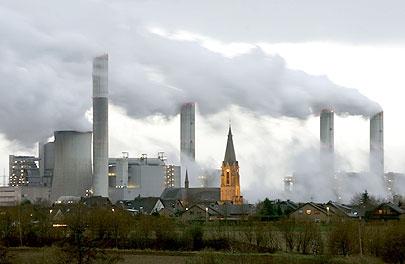

Supreme Court Decision On Climate Change
Last month the Supreme Court, reaffirmed that it is the job of the Environmental Protection Agency to curb carbon pollution under the Clean Air Act. This was decided in the Connecticut v. American Electric Power case which doesn’t allow states to directly bring a lawsuit against five of the largest power companies to regulate their emissions as a public nuisance. As many listeners may know, power plants are the nation’s biggest climate polluters. They can pump more than two billion tons of carbon dioxide into the air each year. Other polluters include automobile emissions and housing stock. Some of the world’s top scientists report that pollution has been linked to climate change.
Law Professor Eleanor Stein:
- In the 2004 case, the court decided the EPA had to assess any air pollutant and decide whether it endangered public health and welfare and if it found that it did, it would have to set limits on that pollutant.
- The EPA had refused to do that, this is the Bush era EPA and said we don’t have the authority under the Clean Air Act to do it, and even if we did, this is essentially a problem for the president to solve, and he’s doing a great job.
- The court found that unsatisfactory and held that the EPA had an obligation to regulate if it found endangerment.
- This case 2011, reaffirmed the central core of the Massachusetts decision, which is the EPA has the authority and the responsibility to regulate green house gases.
- The 2nd Circuit in a ringing militant statement on climate, reversed the district court and squarely held that states could bring this lawsuit which is against the five biggest CO2 emitters in the country, under a common law theory of public nuisance.
- The heart of the petitioners camp were a group of attorneys generals from several states, the fundamental authority of an attorney general is to bring lawsuits in a state against public nuisances of all kinds.
- So they had this idea to elevated this authority into a federal common law claim.
- The court endorses no particular view of the complicated issues related to carbon dioxide emissions.
- For this they cite an article in the New York Times 2 years from Princeton physicist Freeman Dyson who said a lot of climate denier stuff and is kind of a gadfly, who is not a climate scientist.
- In New York City for example, we burn a great deal of natural gas to heat our houses. #6 heating oil both heavy emitter of CO2
- We’re creating a layer that is preventing reflection of solar rays back out into space.
- Much more of it is being trapped into the atmosphere than pre-industrial times.
- There’s uncertainty about how fast and what kind of changes, but there are some things that are confidently predicted. We’re already seeing tremendously fast melting of ice in Greenland and the polar cap.
- There’s no question that this is a product of both rapid industrial development, of uncontrolled growth policies, without any consideration of the impacts of growth, especially when you talk about the disparity of impact.
- www.350.org
Guest – Law Professor and Attorney Eleanor Stein teaches the Law of Climate Change: Domestic and Transnational at Albany Law School and SUNY Albany, jointly with the Environmental and Atmospheric Sciences Department at SUNY.
—–
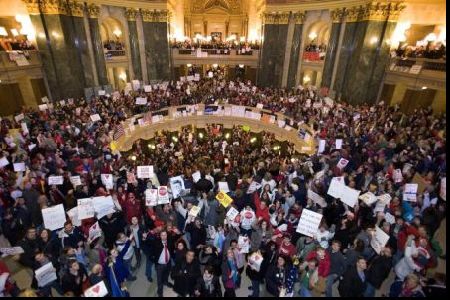
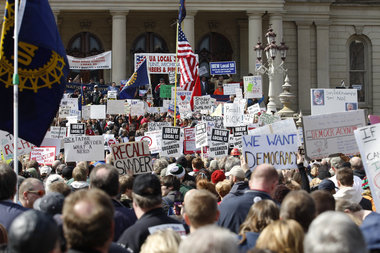
Michigan Citizens File Suit Challenging Unconstitutional Emergency Manager Law
Twenty-eight citizens of Michigan have filed a lawsuit in an effort to bring down the recently signed Emergency Manager Law, claiming it will give Governor Rick Snyder and his appointees vast, unlawful power over financially struggling cities and school districts. Bill Goodman, an attorney with the Sugar Law Center of Detroit, the firm that filed the lawsuit called it a power grab by Lansing politicians. Goodman also said the law violates the state constitution by giving Snyder powers over cities normally granted to the state Legislature. Those powers include replacing elected officials, nullifying collective bargaining agreements, privatizing public services and dissolving cities. Earlier this year we interviewed Zainab Akbar, Legal Fellow at the ACLU of Michigan about the same law being used the mostly black community of Benton Harbor. Democracy Emergency
Attorney John Philo:
- We think this is an important issue, not just for Michigan but nationally. We think this is so viable to our notion of fundamental constitutional rights that we could not let this pass without a legal challenge.
- The first constitutional law violation that we see is that it attacks what is known as the democratic form of government. We all believe we have a right to a democratic form of government, that we can elect our officials at the local, state and federal level. This lawsuit is testing, where is that in the Constitution, where is it recognized?
- We think that people would find it in absurdity that they don’t have that right to vote for their local officials.
- We have a provision in our constitution that says that can’t pass unfunded mandates. They can’t put costs on a local government without providing some revenue stream or providing some mandatory adjustment.
- This legislation puts all the costs on the local government that already find to be in distress.
- In Benton Harbor alone, the salary of the “emergency manager” is running 11 thousand a month.
- That’s before we even get to the consultants and the financial review people that they bring in, the staff.
- There are a number of states looking to pass the emergency managers law.
- This is a nationwide problem that everyone recognizes to regulate banks, and Wall St., and national economic policies that have hit the Midwest hardest and we would say below the belt.
- What will the law do to pensions? Contract rights and pension funds.
- There is a provision that says the state treasurer can request the communities to sort of enter into a consent agreement, before they’ve even been found in financial distress.
- There are citizens, conservation folks, in various places who’ve request the state appoint an emergency manager in their community. This sends the mayor and the city council reeling because they don’t feel they have to.
- They’re acting to prevent this because of the broad discretion given to treasurer and the governor, whether there is a financial situation where they could appoint a manager.
- We’re asking for an order of the court that declares the provisions of Public Act 4 unconstitutional and then an injunction that prevents any further implementation.
- I think people would be shocked if they realize people don’t have a right to elected government.
——————
Tova Perlmutter:
- We see this litigation as one tool in a broader people’s movement. Here in Detroit we have some phenomenal leaders. The first day we filed was the biggest day in my career.
- We with a lot of help with allies and friends held seven press conferences in cities across the state.
- We blanketed the airways and the press, that’s how we got national coverage as well.
- The Maurice & Jane Sugar Law Center for Economic & Social Justice
- We’ve been around for 20 years, based in Detroit but we do serve folks nationally, our mission is to use legal and other public advocacy to advance the rights of working people and their communities.
- One of the cities that has had the most extreme emergency managers is Pontiac.
- There’s no coincidence here, this is a very clear effort to exert a paternalistic and corporate friendly control over communities that might otherwise be speaking out and exerting autonomy.
- www.democracyemergency.org
Guest – Attorney John Philo -Sugar Law’s Legal Director, is responsible for litigation, legal research, delivery of training, and supervision of all staff and interns working on legal tasks. John is an attorney with over 18 years of experience representing and advocating for workers and other disenfranchised people.
Guest – Tova Perlmutter – Executive Director, has over 20 years experience in administration, communications, fund raising and public education for nonprofit organizations. She obtained professional certification as a Senior Human Resources Professional while working to promote fair employment practices at a major corporation.
————————————————————–
Civil Liberties, Death Penalty, Guantanamo, Habeas Corpus, Human Rights, Military Tribunal, Prison Industry, Supreme Court, Targeting Muslims, Torture, Truth to Power
Podcast: Play in new window | Download
Updates:
—-
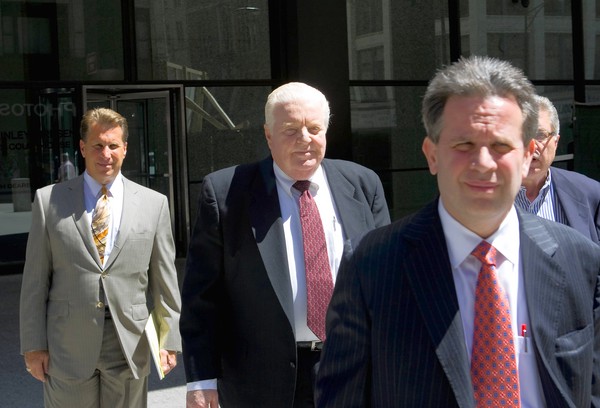
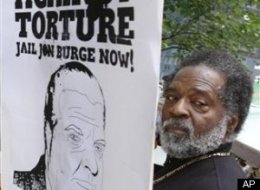
Chicago Torture Cases and Jon Burge’s Deposition
Torture has cast a long shadow over Chicago and its past administrations. Yet in the past year, with the conviction and sentencing of former Chicago Police Commander Jon Burge, Chicago has been a beacon of light in the fight against torture. Many are waiting to see how the city’s new administration will handle the ongoing torture cases of African American men that number in the hundreds. Former Chicago Police Commander Jon Burge was sentenced to 4 and a half years in prison for obstruction of justice and lying about torturing prisoners in the 1960s to obtain coerced confessions. Attorney Flint Taylor and the People’s Law Office in Chicago fought for decades to get prosecutions, and sentencing while the city poured millions of dollars to fund private lawyers for Burge’s defense.
Attorney Flint Taylor:
- We’ve been working on these cases since 1986. Deposing Jon Burge: We were reaffirming to the African American community that he was in prison and he is a prisoner.
- He was complaining about the lack of medical care and the kind of treatment he felt he should be getting.
- The struggle to put him behind bars has come to fruition. Pin stripe patronage, the city funding Burge’s defense. Rahm Emanuel needs to change course, he’s very close to Daly.
- Daly’s policy was not to settle these cases, not to apologize to the victims.
- There’s another issue about Burge getting his pension even though he’s in the joint.
- When you’re convicted you’re supposed to lose your pension.
- There’s eight people on the pension board, 4 of them are former cops.
- Several of the men who were responsible for Burge going to the penitentiary don’t have a claim civilly, never got a penny for the torture they suffered.
- There are about 20 men still in jail, still in the prisons, based on tortured confessions by Burge and his men.
- There is a demand to challenge these confessions, its been happening on a piece-meal basis.
- You most often find that torture does not lead to information that is useful. In the situation here it is to punish African American people.
- It’s a very racist type of torture in this city. There’s linkage here in what happened in Guantanamo, what happened in Abu Ghraib.
- The Fraternal Order of Police: They’re a very reactionary force when reforming the police department generally. In the early nineties when they fired Burge, the FOP stood up and paid for his defense.
- In case that has gotten him to prison now, the FOP paid a million dollars for 3 lawyers of his choice. Now, the same lawyers have switched hats, and the city is now paying them in the civil cases that we talked about.
- When it gets to a point where the city can’t pay for his defense, the FOP steps in.
- Burge deposition: I set up a series of questions for 3 hours where he consistently took the fifth amendment to all questions that would have implicated him if he answered truthfully.
Guest – Attorney Flint Taylor, a graduate of Brown University and Northwestern University School of Law and a founding partner of the Peoples Law Office. More bio
—–
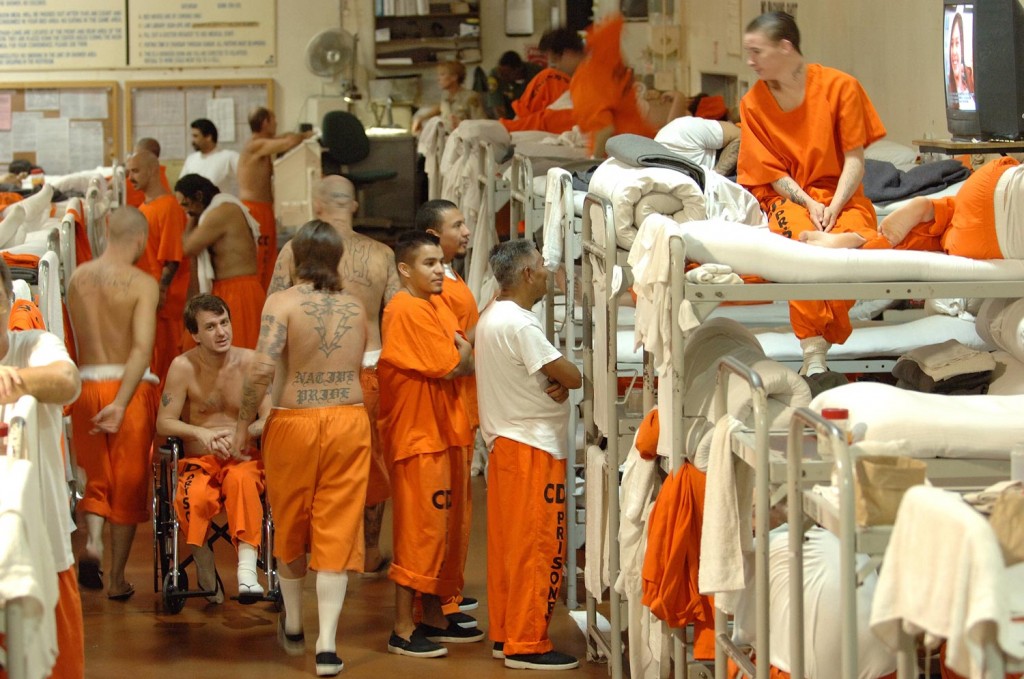
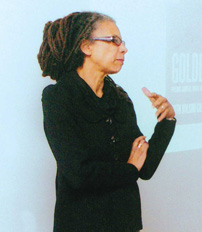
California Inmate Reductions
Last month, the U.S. Supreme Court ruling had ordered California to release 46,000 of its 143,435 inmates which has the state trying to figure out what happens next. The SCOTUS ruling affirmed a lower court order that required California to reduce its inmate population to 137% capacity. The state’s prisons are now at about 180% capacity and one cause of overcrowding problems is the state’s “three strikes law” which puts third time offenders in jail for life. Meanwhile, under Governor Brown’s current “re-alignment” program, the tens of thousands convicted of non violent, non-serious, non-sex crimes will serve sentences under county instead of state supervision. Our guest Professor Ruth Gilmore said to one media source, quote – “County jail expansion does not solve the underlying problems,” – -These are goals we can achieve now if we take this opportunity to shrink prisons and jails. Building bigger jails to ease prison numbers is the same as rearranging the deck-chairs on the Titanic: wasting the same dollars in different jurisdictions.
Professor Ruth Wilson Gilmore:
- California is out of line with the rest of country when it comes to parole policy. California sends twice the number of people back to prisons than other jurisdictions, when the person has committed a technical violation, late for a meeting, that kind of thing.
- For that reason, California prisons have been bulging.
- We see that numbers are kept up by this one category, parole violation return to custody. They have to start over and over and over again.
- The Supreme Court ordered the Department of Corrections to reduce the number of people in its custody in its current physical plant. In the 33 prisons, prison camps and dozens of facilities.
- One method to thin the prison population is shipping about 10 thousand prisoners out of the state of California, renting space in other jurisdictions. They’ve been shipping prisoners out of California for 2 and a half years.
- Cost does not seem to have an important effect on the kinds of political decisions, that have been made about prison expansion throughout the United States for the last 30 years.
- A year and a half ago the state presented a plan to the Ninth District court saying here are the changes that we will make to meet the 3 judges’ order that we reduce the number of people in the California State Authority Physical Plant.
- Then, the 3 judges agreed to let California delay in implementing the plan, while they appealed to the Supreme Court.
- California is the proving ground for a new relationship between the state and society. California is a place that started turning its back on public education.
- For some time, the union of California prison guards were a political force and continue to be quite powerful.
- There are many alternatives to locking somebody in a cage for part or all of their life. We should be cautious in thinking GPS tracking is the answer, because one of the huge barriers, that people convicted of a felony face in their lives, is the impossibility of them reintegrating into society.
- My colleague Michelle Alexander has put out a call in a campaign to end The New Jim Crow.
- Criticalresistance.org / Curbprisonspending.org
Guest – Professor Ruth Wilson Gilmore, author of Golden Gulag: Prisons, Surplus, Crisis, and Opposition in Globalizing California. Professor Gilmore has examined how political and economic forces produced California’s prison boom in Golden Gulag: Prisons, Surplus, Crisis, and Opposition in Globalizing California (University of California Press, 2007), which was recognized by ASA with its Lora Romero First Book Award. Gilmore’s wide-ranging research interests also include race and gender, labor and social movements, uneven development, and the African diaspora. She comes to the Graduate Center from the University of Southern California, where she taught courses in race and ethnicity, economic geography, and political geography, was the founding chair of the department of American studies and ethnicity, and won the USC-Mellon Award for Excellence in Graduate Student Mentoring. She also works regularly with community groups and grassroots organizations and is known for the broad accessibility of her research. She holds a Ph.D. in economic geography and social theory from Rutgers University.
————————————————
Civil Liberties, Criminalizing Dissent, FBI Intrusion, Guantanamo, Habeas Corpus, Human Rights, Prison Industry, Supreme Court, Targeting Muslims, Torture, Truth to Power
Podcast: Play in new window | Download
Updates:
—

Wisconsin Labor Demonstrations Update
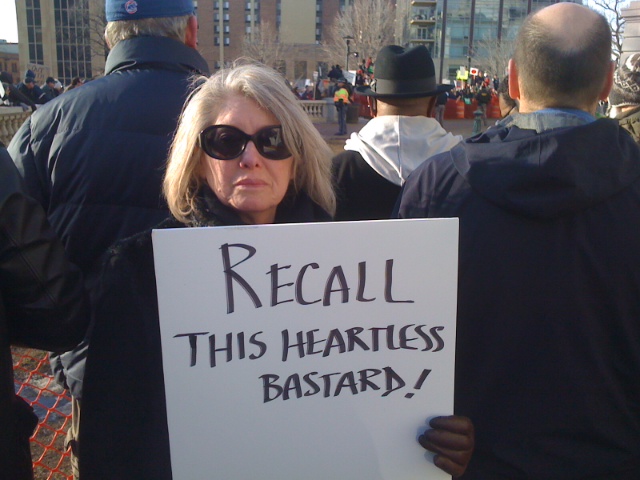
Organized labor is in the cross-hairs to be taken apart by the American elite. Last month, 10 thousand people continued a multi- day occupation of the Wisconsin State Capitol building while tens of thousands chanted outside. Meanwhile the country is gripped by the drama unfolding in Wisconsin and it has inspired unions in other states to move in solidarity. Among those states are Montana, Indiana, Ohio, Michigan, Pennsylvania and New Jersey. Listeners may remember that Wisconsin trade unions have already conceded to wage and benefit cuts. Now the state is voting to repeal Section 11170, the Public Employee Bargaining Chapter. Update: Wisconsin GOP Allows State To Fire Employees For Strikes, Walkouts
Attorney Lester Pines:
- Governor Walker is clearly a stocking horse for the far right wing of the Republican Party.
- I’m not surprised at his behavior, he behaved this way as a Milwaukee County executive.
- I told people he was going to try to repeal section 11170 which is the Public Employee Bargaining Chapter
- What’s at stake is an attempt by the governor and the legislature to strike at the heart of the Wisconsin tradition of organized labor.
- Public employee bargaining has been in Wisconsin for 50 years. This is an attempt to tear apart generations of how Wisconsin operated.
- On a federal level, this is an attempt to wipe away outside groups that democratic and progressive candidates.
- Wisconsin has a bi-annual budget. The legislation is part of budget repair bill. In that legislation is a bill to eliminate all collective bargaining for all municipal and school district employees as well as for state employees.
- There will be no bargaining if this bill passes. The only thing that can be bargained with is wages.
- The bill also imposes a cap on wages. These are designed to essentially make it impossible for public employee unions to function in any meaningful way.
- Scott Walker didn’t talk about what he would actually do.
- If we look at the mass demonstrations in Madison. These are the biggest demonstrations I’ve ever seen here.
- Impeachment is impossible because Republicans control the legislature and Senate, however he can be recalled.
- The Democrats can’t be arrested in a criminal sense,
- Governor Scott Walker has reignited the progressive movement in Wisconsin.
- Until you get these Republicans out of office they’re going to do a lot of damage. They’re nihilists. They care nothing for public services. They care only for what their corporate puppeteers want them to do.
- It looks like this whole anti-public union movement was actually planned out amongst all these new governors.
Guest – Labor attorney Lester Pines, in practice since 1975, he leads the Litigation area, concentrating in civil trials, criminal defense, labor & employment, and business. A Fellow in the American College of Trial Lawyers, Mr. Pines is a highly respected civil and criminal litigator who has appeared in courts throughout Wisconsin and litigated federal matters in Wisconsin, Illinois, Iowa, Ohio and New York.
————————–
Human Rights Crisis Continues In Puerto Rico
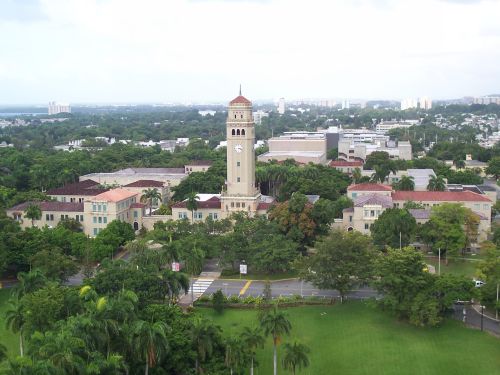
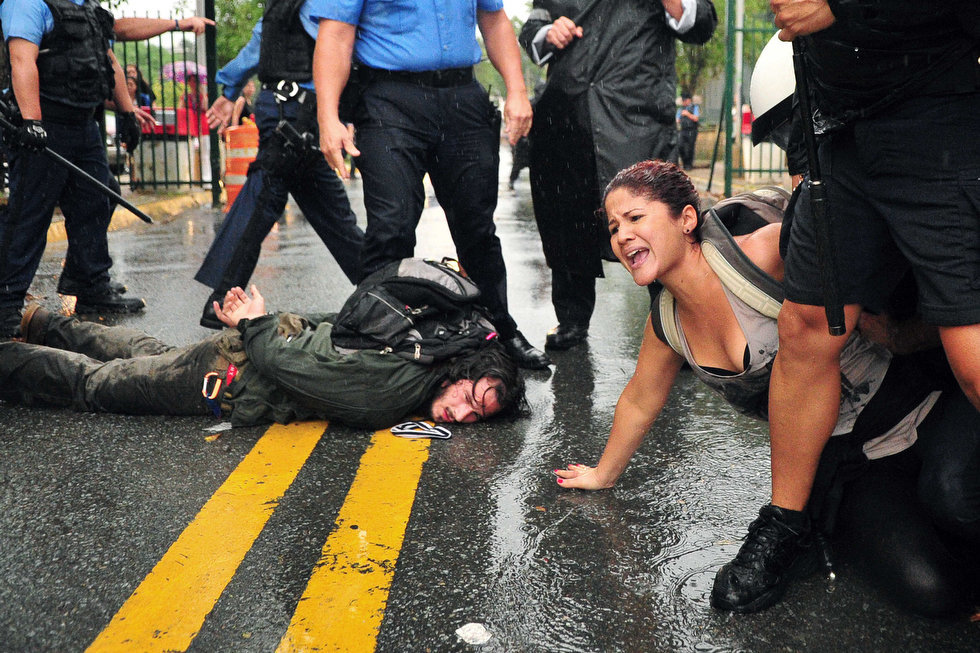
More than a year ago nearly 100 thousand people took to the streets of San Juan, Puerto Rico to protest the lay off of about 17 thousand public employees. The demonstration shut down all state-owned enterprises including the island’s schools and colleges. Two days before that strike the governor passed a bill aimed at dismantling the Bar Association. Protesters were warned that if they stopped commerce, particularly the docks and airports, that action would be sanctionable to federal law. Now, as human rights violations continue, as students and faculty demonstrate against dismantling of progressive curriculum and tuition hikes. ACLU of Puerto Rico, “Human Rights Crisis in Puerto Rico: First Amendment Under Siege.” Law and Disorder Interview with Judy Berkan October 2009
Attorney Judy Berkan:
- Wholesale attack on institutions of Puerto Rican society where any dissent could be lodged.
- The Puerto Rican Bar Association, a real forum for those without a voice. Attacks have come to the Bar Association, elimination of mandatory Bar membership and imposed draconian restrictions upon the Bar Association. They took away a great deal of our funding.
- The president of the Puerto Rican Bar Association was jailed for speaking out against a lawsuit that could take away life insurance from poor lawyers.
- There’s a one month prohibition on leafleting and expression in the University of Puerto Rico.
- The closing of the legislative chambers. Right now there is a US Department of Justice investigation and talk of a trusteeship of the police department here.
- The use of the tactical operations of the police to repress dissent has been intensified.
- All of our public spaces are being closed off to legitimate dissent, while people engaged in peaceful dissent are being attacked.
- Austerity: Part of the remedy of the economic crisis there was an increase in tuition of 800.00. But much more at stake.
- More than that there is question of the vision the University of Puerto Rico will take in the future.
- The emphasis appears to be on privatization as it is throughout the government. We been suffering these programs since 2009.
- We were the guinea pigs. There’s more violence here, if we occupied the state house here, we would’ve been met with pepper spray, gas and beatings as we were when we attempted to demonstrate outside the state house last June.
- The economic programs are really the model that’s being used by Republican governors in the US
- The University situation is really wallowing in the wind without a real solution.
- The Bar Association and their presence is very crucial to public debate in Puerto Rico.
- I think people are getting tired, we do have 2 more years left of this administration.
- The police department is still in the hands of a former FBI agent who has openly encouraged violence against protesters. We have a raging crime rate.
- What’s distressing for all of us here who care about these matters is the media black out in the United States.
- Are we training people to be managers at McDonald’s or are we training people to think about the future of Puerto Rico?
Guest – Attorney Judith Berkan, is a partner in the San Juan law firm of Berkan/Mendez. She specializes in government misconduct litigation and employment discrimination cases. Berkan worked as an attorney in New Haven, Connecticut before going to Puerto Rico as the staff attorney for the Puerto Rico Legal Project of the National Lawyers Guild, now the Puerto Rico Civil Rights Institute. For twenty-seven years, she has been teaching, primarily in the Constitutional Law area, at the Inter American University Law School in San Juan, Puerto Rico.
A frequent speaker and author of many articles on civil rights issues, she was the President of the Human Rights Commission of the Puerto Rico Bar Association in the mid-1990?s and a member of the Commonwealth Supreme Court’s task force on gender discrimination.
————————–

Left Forum 2011
The 2011 Left Forum convenes this Spring, March the 18 to the 20th. This is the largest annual conference of a broad spectrum of left and progressive intellectuals, activists, academics, organizations and the interested public. Conference participants come together to engage a wide range of critical perspectives on the world, to discuss differences, commonalities, and alternatives to current predicaments, and to share ideas for understanding and transforming the world.
Guest – Stanley Aronowitz Distinguished Professor of Sociology at CUNY Graduate Center, where he is Director of The Center for the Study of Culture, Technology and Work. He has taught at Staten Island Community College, University of California-Irvine, University of Paris, Columbia University, and University of Wisconsin.
——————————————————————————————–
Civil Liberties, Criminalizing Dissent, Extraordinary Rendition, FBI Intrusion, Habeas Corpus, Human Rights, Military Tribunal, Supreme Court, Surveillance, Targeting Muslims, Torture
Podcast: Play in new window | Download
Updates:
- Anwar Al-Aulaqi Case – Drones Targeting US Citizens – Obama Wants To Dismiss CCR/ACLU Case
- CCR Guantanamo So Called Suicide Cases
- Supreme Court Will Not Review Case On Feds Wiretapping Guantanamo Lawyers
- Bombing of the USS Cole – Could Prosecutors Use The Fruit From the Poisonous Tree?
—-
NYC NLG Street Law and Racial Profiling Program
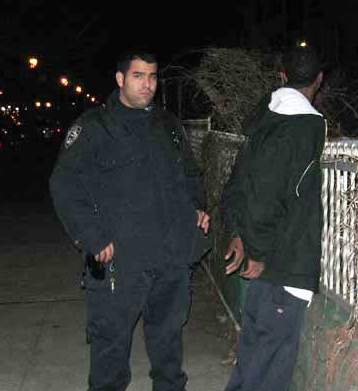
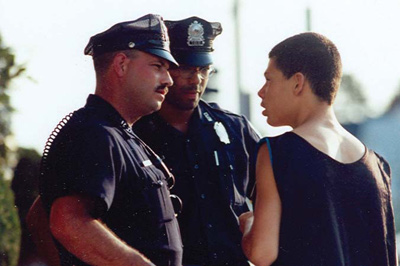
Today we’re joined by Paula Segal and Gabriela Lopez with the New York City Lawyers Guild Street Law Clinic Program. The project sends groups of attorneys to conduct “Street Law” workshops with a range of students in high school. We’re also joined by students from the Aarturo A. Schomburg Satellite Academy High School who were part of the street law classes.
Street Law Students:
- In my neighborhood it’s really common for the Police to bother you for no reason. I don’t think they had the right to go into my pockets unless they had reasonable suspicion. This happens at least 3 times a week.
- One time they took me into the precinct, took my picture, ran my fingerprints.
- I was getting off the train and these two big police men were getting off the train and they stopped me. They said we have her on the walkie-talkie. This women said take off your sneakers. She kept asking, where is it? Where is it? That’s when she started to get physical and she lifted up my shirt. “If you don’t f-in’ tell me where it’s at, I’m going to strip search you. It happened on Elder Avenue, next to the 6 train.
- They say no, we’re not going to touch you, then he throws me on the car.
- You guys are unfolding my socks right now, and I don’t like this. There’s a certain way that I fold my socks.
- After they find nothing, they say you should change your attitude. I said, you should change your attitude.
- A lot of cops judge character, when I see cops, you have to give them an expression. Hey look I’m out here, I’m not tryin to get in that car.
- I’m thinking about the cops catching the real villans. If you’re really guilty you’re going to get hassled, if you’re not guilty,then you can be free. The advice I get from the street law project is not consenting to the search.
- From my knowledge, the cops need a certain amount of arrests at the end of the month, so they’ll pick on anybody. They curse a lot. Undercover cops, they’ll probably have on a hoodie, try to fit in with everybody else, it just don’t work.
- Law Student Paula Segal: We focus on giving people tools to walk away, to avoid arrest.
- Law Student, Street Law Coordinator Gabriella Lopez: Last year we went to more than sixty different sites. Sixty to Seventy different trainings that occured last year.
- Email the Street Law Team – streetlawteam@gmail.com
Guests – Paula Segal and Gabriela Lopez with the New York City Lawyers Guild Street Law Clinic Program. Aarturo A. Schomburg Satellite Academy High School Students: Charisma Whaley / Joseph Campbell / Kiara Avila / Stephanie Colon / Jonathan Jeffries.
—-
Grand Juries Historically and the Minneapolis / Chicago FBI Raids
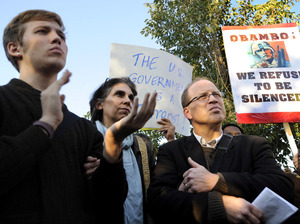
A total of 12 people were served with subpoenas during last months FBI raids in Minneapolis and Chicago. The FBI targeted anti-war peace activists and key organizers of demonstrations and marches who have been asked to appear before a grand jury. What is a grand jury? Historically, a grand jury was supposed to be citizens coming together to determine if charges should be filed criminally against someone. Today, it’s very different. It’s mostly a rubber stamp for what the prosecutors want. If you refuse to testify at a grand jury, you can be taken to a judge to answer questions. If you refuse to answer those questions you could be put in jail.
Margaret Ratner-Kunstler:
- If you were subpoenaed before a grand jury in 1968 and you asserted your grand jury right, then that really was the end of your participation in the grand jury.
- You asserted immunity and if you we’re given immunity, you couldn’t be indicted.
- Immunity: Nothing you say could be used against you, but anything you testified about could not be the subject of a criminal indictment against you. Your words could not be held against you, or the fruits of those words. But it’s so easy to get around that, by a prosecutor saying, this didn’t come from this.
- If you then refused to testify given this minor immunity, you could be subject to imprisonment.
- If you refuse to testify you’re brought back before the judge and the judge then holds you in “civil contempt.”
- The grand jury is usually about 18 months. The grand jury in Chicago is a special grand jury which means it’s twice as long.
- That’s important because if you’re held in civil contempt, the keys to the jail are in your pocket. You’re in jail for as long as you refuse to testify.
- If you say something you could wave your fifth amendment right by already saying something.
- The recent FBI raids represents the tremendous see-change we have in terms of the ability for people to actively oppose this government’s policy.
- In 1983, there were many groups in this country who were joining forces with progressive groups in Central America. You had the Committee in Solidarity With the People Of El Salvador.
- Each of the 11 individual persons subpeoned wrote letters to the Attorney General saying that they would assert their fifth amendment right and that they would not testify.
- If they can’t get you on a federal charge it’s often that they’re looking for a mistake you made in conversation, even an informal conversation with a federal official.
Guest – Magaret Ratner-Kunstler, an attorney in private practice. As education director at the Center for Constitutional Rights, she originated the Movement Support Network and authored “If an Agent Knocks.” Kunstler is the President of the William Moses Kunstler Fund for Racial Justice, a foundation established in 1995 in the memory of her late husband to combat racism in the criminal justice system.
———————
Criminalizing Dissent, Death Penalty, FBI Intrusion, Green Scare, Human Rights, Prison Industry, Supreme Court, Surveillance, Truth to Power
Podcast: Play in new window | Download
Updates:
———-


Nationally Coordinated FBI Raids Minnesota/Chicago
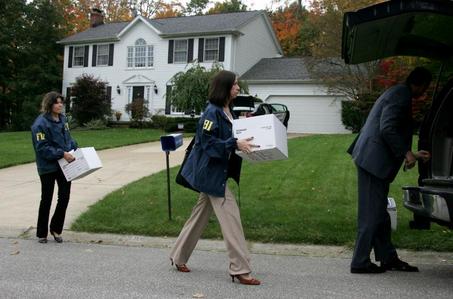
Last week the FBI raided six homes in Minneapolis and two in Chicago allegedly searching for links to terrorism. The Minneapolis raids targeted anti-war activists among them, Jessica Sundin, and Mick Kelly. They were key organizers of the big march on the first day of the RNC in 2008. In one Minneapolis home, FBI agents arrived with warrants, searched every room, attic and basement, looking through CDs DVDs, books, and photos. Passports, travel and phone records were among items seized from the homes. The FBI issued subpoenas for the peace activists to appear before a Grand Jury in Chicago on October 12. FBI’s search warrants indicate agents were looking for connections between local antiwar activists and groups in Colombia and the Middle East. NLG HOTLINE – 888-654-3265
Jim Fennerty:
- We’re putting a group of lawyers together from the National Lawyers Guild. We’re speaking to our clients right now about what a grand jury is, how it functions, and they have a right to refuse to testify at a grand jury or not. A total of 12 people were served with subpoenas.
- Humanitarian Law Project decision emboldens the government to push the envelope and see what they can get away with. I have not been told that anyone is a target, and we’re concerned about what that means.
- Technically the Attorney General’s office is not suppose to issue a subpoena to a target unless they get a higher authority to do that. Historically a grand jury was supposed to be citizens coming together to determine if charges should be filed criminally against somebody.
- Now it’s pretty much a rubber stamp for what the prosecutors want. People should be very concerned about going there, because what you say can be twisted around.
- Most cases, people can say they don’t want to testify at a grand jury, they’re going to exercise their fifth amendment rights against incrimination. However, if they offer you immunity and you refuse to testify, you can be taken to a judge, they’ll read the questions to the judge, and ask you to answer them.
- If you refuse to answer them then a judge can hold you in civil contempt and you can be incarcerated for the length of the remaining time of the grand jury. The government is not showing us all their cards, we don’t know where they’re going with this.
- Regarding activism: I’ve seen some unity here I’ve never seen before in my life, where groups that don’t get along, are now rallying around them.
- Do not speak to federal agent, do not lie to a federal agent. National Lawyers Guild Issues New Report on Policing of Protests
Guest – Attorney Jim Fennerty, attorney, activist and National Lawyers Guild member. Jim has been handling activist cases for 38 years.
——-


Death Penalty Cases -Virginia / Georgia / California
In late 2009, The American Law Institute which created the intellectual structure for the current capital justice system for nearly 50 years, essentially announced that its project has failed. The New York Times, in one article wrote the institute’s move represents a tectonic shift in legal theory. The article also points out that capital punishment was plagued by problems including racial disparities. We continue to see these types of problems in 3 recent death penalty cases in Virginia, Georgia and California. In Virginia, Teresa Lewis, a grandmother was the first woman to be executed in that state in nearly 100 years. Last week Teresa Lewis was given a lethal injection at 9PM in Greensville prison. Teresa was convicted of hiring two gunmen to shoot her husband and stepson to collect on their life insurance policy. Both gunmen were sentenced to life without parole. Attorneys argued that the court consider a key piece of evidence on Teresa’s behalf. That evidence was a letter from one of the gunmen who killed himself in jail in 2006, in which he claimed full responsibility for the murder plot and suggests he pushed Lewis into it. Lewis also had an IQ of 70.
Last week in a Georgia death penalty case, Brandon Joseph Rhode was found in his cell with his arms and neck slashed days before his scheduled execution by lethal injection. According to reports, his lawyers have pleaded clemency, arguing he suffered brain injury from alcoholism and because his mother took drugs during pregnancy. If executed, he will be the 25th person put to death by the state, the last one was in June. Rhode and an accomplice were sentenced to death for murdering an 11-year-old boy, his 15-year-old sister and their father during a botched robbery in 1998.
In California, a federal and state court judge refused death row inmate Albert Greenwood Brown’s request to block his scheduled execution. Brown and another death row inmate have filed a lawsuit challenging the state’s new lethal injection regulations,saying the procedures were improperly adopted. State procedures have since been revised after a federal judge halted the death penalty in California amid concern that it’s method lethal injection amounted to cruel and unusual punishment.
David Michaels:
- These are two horrible executions. Teresa Lewis had an IQ of 72. She was executed after Governor MacDonald refuse her clemency requests. The judge said she was the head of the serpent in this particular case and he decided horribly to have her executed.
- There’s no deterrent for people with the IQ of 72 or for someone with an IQ of 150. This murder happened in 1992, this execution happens in 2010.
- There are about 3 dozen states that have capital punishment laws. In California, one of the drugs they use for lethal injection has expired and they can’t get anymore.
- LINKS – NCADP / Death Penalty Information Service
Guest – Attorney David Seth Michaels. David has represented clients for 30 years, clients such as prison inmates in Mississippi and Tennessee. He’s worked with Brooklyn Legal Services B and with the Federal Defenders Service Appeals. He is also a novelist, has his own practice in New York. David Michaels’ Blog
—-


Circuit Court of Appeals Throws Out Nigerian Claims Against Shell Oil
It is now up to the Supreme Court to decide if corporations could be held liable in U.S. courts for violations of international human rights law. Recently, a U.S. Appeals Court dismissed a case against Royal Dutch Shell in which the oil company was accused of helping Nigerian authorities violently suppress protests against oil exploration in the 1990s. One judge on the three-member appeals court panel wrote a strong dissent of the majority opinion, calling it “a substantial blow to international law.” In a past interview with attorney Peter Weiss, Peter explained how a 1789 U.S. statute Alien Tort Claim was used to hold multinational corporations accountable for human rights crimes. The case was brought by families of seven Nigerians who were executed by a former military government for protesting Shell’s exploration and development.
Maria LaHood:
- This was a class action brought by the Ogoni people against Shell parent companies and Nigerian subsidiaries.
- They brought the case because Shell had been complicit with the military dictatorship in the nineties.
- They were detaining, torturing and killing people to oppress the grassroots opposition movement to Shell’s environmental degradation. Shell Oil is the US company.
- Basically, two judges went out of their way to find that corporations can’t be held liable for international human rights violations. The result is that corporations can profit from killing and torturing and can’t be required to compensate the victims.
- Hopefully this decision won’t stand. This is the first Circuit to rule like this.
- Unfortunately I think corporations are going to be submitting this decision in their own cases around the country. Hopefully, that won’t be successful. As it stands the decision applies to the Second Circuit, New York, Connecticut and Vermont.
- Even if this decision stands, the court left open and confirmed you can sue individuals. Even here we can sue CEOs and directors of corporations.
Guest – Attorney Maria LaHood has worked on the case Wiwa v. Royal Dutch/Shell, for the torture, detention and execution of Ken Saro-Wiwa and other human rights activists and protesters in Nigeria. Maria LaHood joined the Center for Constitutional Rights (CCR) in 2004. She specializes in international human rights litigation, seeking to hold government officials and corporations accountable for torture, extrajudicial killings, and war crimes abroad.
————————————————————————————————-