Civil Liberties, Criminalizing Dissent, Human Rights, Prosecution of the Bush Administration, Supreme Court, Targeting Muslims, Truth to Power
Podcast: Play in new window | Download
Host Updates:
Segments This Week:
WBAI Listener Rundown
—–
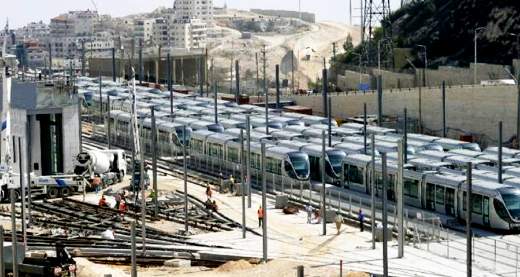

French Company, Veolia Abandons Light Rail Project Linking Illegal Jewish Settlements
A French multinational company, Veolia Transport, contracted to build a light rail tramway system linking west Jerusalem to illegal Jewish settlements has abandoned the project. The rail system would have grouped more Jewish settlements into the State of Israel and help annex the Palestinian territory of east Jerusalem. The victory came about from years of coordination by the French, Dutch and British groups, as well as the Palestinian BDS National Committee.
Omar Barghouti:
- Israel has not found an effective weapon to counter the civil non-violent weapon of the Palestinians.
- BDS is a movement based on Palestinian rights, to live without occupation, without colonization, without apartheid and the system of discrimination.
- A colony is a base for settlers who have are aggressive / military and confiscate more Palestinian land. Stealing more land, stealing water, cutting Palestinian trees, doing very nasty colonial acts.
- Boycott Divest and Sanction / BDS movement – Motorola / Israeli fruit and vegetables in Europe
- Divest, is when you pressure a university like Hampshire College to divest from companies profiting from the occupation. Also churches and unions can be pressured and levied. Sanction is a boycott by state. A decision by sovereign governments to isolate another government. Sanctions take a long time to get going.
- Veolia is part of a consortium that is contracted to build a light rail to connect illegal Israeli colonies with Jerusalem.
- International support for the Derail Veolia campaign came from Australia, Sweden, Britain, France and Tehran.
- Veolia lost 8 billion in contracts mainly due to the boycott movement.
- Veolia has not withdrawn yet, its a very technical process requiring Israeli approval. But Veolia has said it can’t sustain the losses and has considered withdrawing.
- This victory told us that you can’t censor yourself. Veolia says it will sell its 5 percent share in the consortium light rail.
- The project is illegal, that’s why people didn’t have to think twice to stop it. Israel’s reaction to Veolia withdrawal and BDS movement, very hush hush, which was intentional.
- The boycott campaign is impacting Israeli produce. Israeli barcodes begin with “729.” The BDS movement is growing in Indonesia, Brazil, Venezuela.
Guest – Omar Barghouti, founding committee member of the Palestinian Campaign for the Academic and Cultural Boycott of Israel. Omar is a Palestinian political analyst and doctoral student of philosophy (ethics) at Tel Aviv University. His articles have appeared in the Al-Ahram Weekly, Z-Magazine, and Counterpunch.
—–

Ricci v. DeStefano
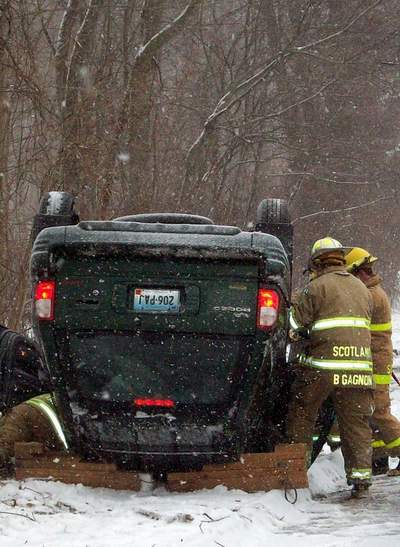
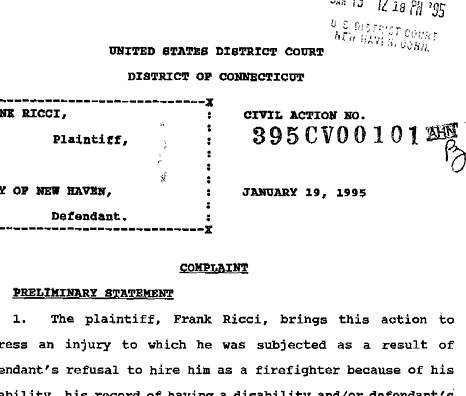
Last month, the Supreme Court ruled 5-4 in Ricci v. DeStefano that a group of white firefighters and one Hispanic had been discriminated against when the city threw out a 2003 lieutenants’ promotion exam after African-American firefighters scored lower than required. The higher scoring firefighters say the decision is unfair and compared it to (quote) reverse discrimination. The high court declared that white firefighters in Connecticut were unfairly denied promotion because of their race, ruling against minorities and overturning Supreme Court nominee Judge Sotomayor’s earlier ruling. Title VII
Attorney Richard Levy:
- The question: When can an employer set aside a hiring test or procedure because it has adverse impacts on a minority group?
- In the Connecticut firefighters case, whites passed the exam at levels twice that of blacks and hispanics.
- The city decided to take a look at the test, considering the adverse impact on minority officers in the fire department.
- The city held a number of hearings that determined that the test should not be certified. As a result a group of white firefighters backed by their unions, sued the city.
- They said, wait, now you’re discriminating against whites because we studied and passed, and black and latinos did not, doesn’t mean that the test is bad.
- The test had a 60 percent written component and 40 percent oral component. (Test questions were not reviewed by anyone in the New Haven fire department)
- The test was created in a way that purportedly measured firefighter skills. However, oral skills in the field are much more important than written.
- Title VII says that you have to look at exams that are neutral on their face, but not neutral on their outcome.
- The Supreme Court says you can’t just throw out a test because blacks didn’t do well, suppose it’s a test that is fair and necessary for job performance? You are then discriminating against those who took the test and did well to perform the job.
- Supreme Court: What should the standard be. A new standard. Must have a strong basis in evidence that the test is not valid.
- Five of the nine justices changed the standard. It raises the standard for a city to do what its supposed to do.
- The Supreme Court did not allow the case go back to the city where they could show “strong basis in evidence”
- A result oriented outcome, an activist right wing bench changing the law, and the parties are not allowed to present evidence in light of the new law.
- Forty percent black in Connecticut. Their fire department has 30 percent black incumbency.
- NYC is 28 percent black, the fire department is 3 percent black incumbency. Levy Ratner is challenging the NYC test. (entirely written some physical, no oral component) CCR Firefighters Case in NY. Vulcan society brought the case several years ago.
Guest – Richard A. Levy (Cornell, B.A., 1964, NYU School of Law, J.D., 1968) is a senior partner at LR. He has practiced labor, employment, employee benefits and civil rights law since 1971. During law school he was associate editor of the Annual Survey of American Law. A member of the United States Supreme Court Bar, Levy has lectured at conferences for the NLRB, AFL -CIO, Practicing Law Institute and has published articles on labor law and civil rights litigation. He has served on the Lawyers Advisory Panel of the AFL -CIO.
Richard Levy has litigated a number of important employment discrimination class actions. These include Grant v. Bethlehem Steel, 635 F.2d 1007 (2d Cir. 1980) (finding prima facie case of disparate treatment and disparate impact in failure to promote black ironworkers into supervisory jobs); Latino Officers Association v. City of New York, 209 F.R.D. 79 (S.D.N.Y. 2002) (class action challenge to disparate discipline in the New York Police Department, with settlement for up to $20 million in damages and injunctive relief) and most recently, United States v. City of New York, 2009 U.S. Dist. LEXIS 39514 (E.D.N.Y. 2009) (representing class of African-American applicants for entry-level firefighter jobs with City of New York ).
——————————————————————————–
Civil Liberties, Criminalizing Dissent, Habeas Corpus, Human Rights, Supreme Court, Surveillance, Targeting Muslims, Torture, Truth to Power
Podcast: Play in new window | Download
Updates:
—
Segments This Week
————–
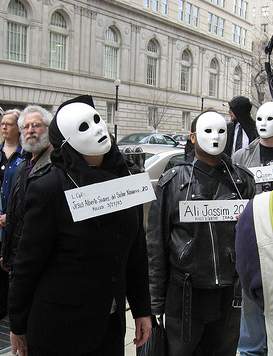
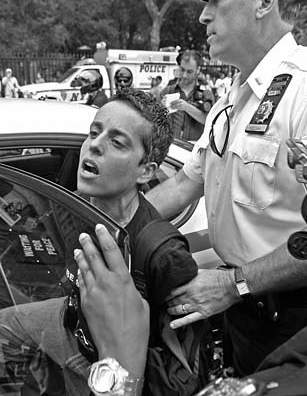
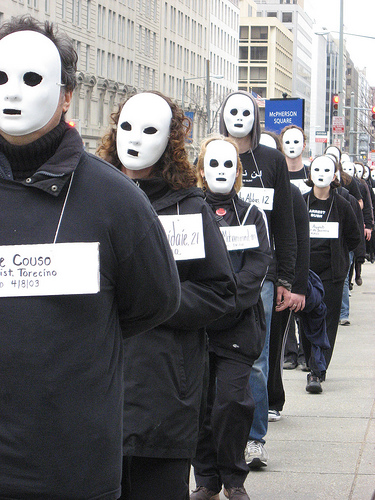
Charges Dismissed Against March of the Dead Activists: Laurie Arbeiter
On January 6, 2009, artist and activist Laurie Arbeiter joined seventy others from around the country for the March of the Dead. Participants assembled in Washington and began to read the names of those killed in Iraq, Afghanistan and Palestine before the Capitol Police interrupted the event and arrested seventeen people. Four of them, including Laurie, appeared in court last week on charges of unlawful assembly and disorderly conduct, where the judge nullified their case. Robbie Diesu, Michelle Grise, and Pete Perry also appeared in court with Laurie. In the event that Laurie and others would be convicted, she prepared a statement to read outside of the courthouse. Click here to read that statement.
Laurie is a member of The Critical Voice, which started the We Will Not Be Silent T-shirt campaign.
Laurie Arbeiter:
- Four of us were put on trial for an action that we did Jan 6, 2009. The first day of 111th Congress.
- People came from all over the country to circle the Capitol in death masks carrying the names of the dead from Iraq, Afghanistan and Gaza.
- On that day, 17 of us were arrested and some of us were brought all the way to trial.
- Last week, we went into court for disorderly conduct and unlawful assembly.
- We didn’t get to mount our case because of the gross misconduct of the government, including tampering with evidence, they destroyed evidence.
- We were followed by police both on bicycles and motorcycles, throughout the day. But then we decided to go into the Senate Hart Building, in the atrium. We continued with the March of the Dead. Another group hung billboard sized banners.
- When we did the solemn procession before we got to the Capitol, the police on bikes were waiting for us. I was in the lead, wearing a death mask and police officers started taunting me, pointing at me saying, “we know who you are.” It makes me feel more defiant.
- As Barack Obama said, “those who stand up for justice are always on the right side of history.”
- I am one of many that stand proud in solidarity with all the other people that came from around the country.
- During the court case, the police officer kept saying how loud we were, but we are all quiet, and read the names of the dead reverently.
- The police asked the court to see a youtube video, edited, sound enhanced, the judge allowed it. They had problems projecting the video in court.
- So, they used the judge’s laptop. My lawyer cross-examined the police officer, where are your notes, the log of the event. The cop answered they went away. At that point the case was dismissed.
- This case was about what is allowed of a free people who feel an urgency because war crimes are being committed in their time. What are we as a free people allowed to do? Where do we go to seek justice?
- I would have asked the court – if crimes are being committed why wouldn’t decent people speak up so their voices could be heard? Why is that a crime? While the people who committed the most heinous acts against human beings are set free. Why are we being prosecuted?
Guest – Laurie Arbeiter, artist, prominent activist, and designer of “We Will Not Be Silent” T-shirt series. To order T-shirts, email Laurie at – Arrestbush(at)gmail.com. Her website (currently being built) is wewillnotbesilent.net.
—-
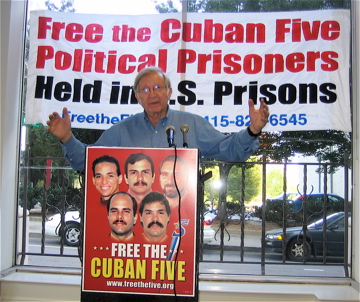
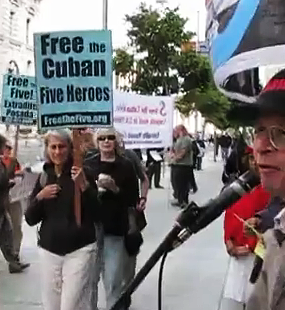
Supreme Court Denies Certiorari In the Cuban Five Case
As listeners may already know, the Supreme Court recently declined to hear the case of the Cuban Five. The request for review, which included a record-setting 12 amicus briefs and received widespread international attention, was the Cuban Five’s last chance for a new trial.
The Five’s defense attorneys argued it was impossible for the men to get fair trials in Miami, where anti -Castro sentiment runs high, and that the convictions should be overturned.
Last year, the 11th U.S. District Court of Appeals in Atlanta upheld the convictions of the Cuban Five who are serving long prison sentences charged with spying and conspiracy to commit murder. Joining us again to discuss the case is noted criminal defense attorney Leonard Weinglass, who represented the Cuban Five. Len, welcome back to the show. Demonstration video link
Len Weinglass:
- 98 Percent of all petitions for Cert are denied. We were optimistic because our position was so strongly stated and unprecedently joined by 11 briefs and friends of the court including 10 Nobel Prize winners.
- Then June 15, the news came down. The court rejected out of hand without a single dissenting opinion.
- We were hoping against experience that teaches otherwise, that the Obama Administration would lighten up on this case and acknowledge some of the undisputed facts.
- Timing: June 5, 2009 Kendall and Gwendolyn Meyers arrested for passing classified information to Cuban handlers.
- Batson Case – The government permitted several minorities on the jury who were elderly and less well educated as a shield against challenges of racial bias. The record shows the government removed seven younger well educated minority jurors. We brought this to the court’s attention, because this is happening throughout the country (Mumia Abu Jamal case – instruction film to purge minority jurors)
- Community prejudice issue: Trying the Cuban Five case in Miami.
- This is the first “conspiracy to commit espionage” case in which there was not a single classified document.
- The options have become narrower, three of the five are up for re-sentencing. I’m hopeful my client Antonio Guerrero will not get a life sentence but will get a set term of years.The Cuban Five have served 10 years.
- Analagous cases – Ben-Ami Kadish – recently (Dec 2008) received a suspended sentence and 50 thousand dollar fine ( which he responded, no problem judge.) for taking classified documents to his handler’s home in Riverdale, Bronx several times (including information about nuclear weapons, a modified F-15 fighter, and the Patriot missiles) and let an unnamed Israeli government worker take photographs of them.
- Posada Carriles, has a long standing association with the CIA, which his attorney acknowledged in court papers. Carriles was charged with the murder of 73 people, he escaped prison, (with help of unknown persons) He was then hired by the CIA, paid by the US tax payer to help in the war against the elected government of Nicarargua.
- Carriles was involved in bringing down the first commercial plane in mid-flight. Cubana airline, the bomb exploded (C4) that was placed in a toothpaste tube left in the mens room. The tail assembly was damaged, then pilots lost control and plane plummeted into ocean. Carriles was named by the person who he paid them to do it. That person is a cab driver in Caracas, Venezuela and is available to the media.
- Going forward with the Cuban Five cases, there are legal options, specifically 18 US C2255 – Federal Habeas. We could raise constitutional issues that haven’t previous been raised and litigated, we have one year in which to file. We’re not completely out of court, but what’s called the “direct appeals” are over. We now have collateral appeals.
- It’s up to the Obama Administration to recognize the reality here of what happened and begin the process of returning the Five home.
Guest – criminal defense attorney Leonard Weinglass, who represented the Cuban Five, as William Kunstler’s younger partner, Len Weinglass was considered the work horse of the defense team. He’s worked on a number of political cases including the Pentagon Papers trial and the Angela Davis case. He’s a Yale Law School graduate and former U.S. Air Force Captain.
——————————————————————————-
Afghanistan War, Civil Liberties, Guantanamo, Habeas Corpus, Human Rights, Iraq War, Supreme Court, Surveillance, Targeting Muslims, Torture, Truth to Power
Podcast: Play in new window | Download
Host Updates:
Segments this week:
——-
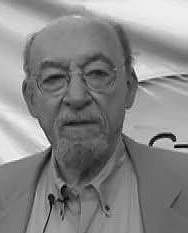
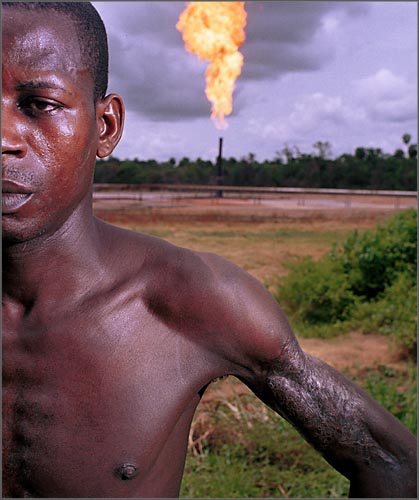

Peter Weiss : International Human Rights Law and the Royal Dutch Shell Settlement
Europe’s largest oil company Royal Dutch Shell settled a landmark lawsuit last week, agreeing to pay 15.5 million to avoid a trial over it’s alleged involvement in human rights violations in the Niger Delta. The case was brought by relatives of human rights and environmental activists killed in Nigeria who accused Shell of complicity in the 1995 executions of Nigerian writer and environmentalist Ken Saro Wiwa and eight others. Charges in the case include summary execution, crimes against humanity, torture, inhumane treatment, arbitrary arrest, wrongful death, assault and battery, and infliction of emotional distress. Attorney Peter Weiss explains how historic laws such as the Alien Tort Claim are used to hold multinational corporations accountable for human rights crimes.
Peter Weiss:
- They (Royal Dutch Shell) knew all along that they were complicit. Decades ago I was involved in the struggle against colonialism in Africa. What that settlement represented was a victory against neo-colonialism.
- I think we all hope at the Center for Constitutional Rights that this will send a signal to other companies.
- Peter Weiss and Rhonda Copeland were instrumental in beginning the first cases in which human rights violations, taking place in other countries could actually be litigated in the United States.
- Alien Tort Statute Claim: We first discovered that during the Mei Li massacre. It’s a one sentence law that goes back to the first judiciary act in the United States in 1789.
- It simply says, an alien shall have a right of action in district court for a violation of the law of nations. (as international law was called in the 18th century)
- Ten years later Amnesty International got in touch with CCR, saying we have this torturer in Paraguay. Which became known as Filartica – 1978 / 1980 was the decision. It set the stage for hundreds of cases.
- About 15 years ago, CCR applied that statute to the human rights crimes of corporations in foreign countries.
- We’ve had a few victories and one of them was the UNOCAL case, where UNOCAL was using slave labor. That case was settled. Now, the Wiwa case was settled.
- If you’re familiar with what corporations are doing around the world, you can imagine how many such cases can be brought.
- Royal Dutch Shell was actually paying these Nigerian soldiers that were committing these atrocities.
- The worst thing that they did was go to the Nigerian government and say we have to get rid of these trouble makers.
- Nigeria was under a corrupt dictatorship at the time.
- We’re not the only ones, the Center for Justice and Accountability out in California have victories against Salvadorian torturers
- Jerry Nadler had a hearing on the state’s secrets act and on the opening statement, he says people bring these suits and the government comes in and says state secrets, the suit can’t go forward. But there’s an international law says Nadler, that has to be a remedy for every right.
Guest – Peter Weiss, former Vice President, Center for Constitutional Rights and Vice President, of the International Association of Lawyers Against Nuclear Arms.
—–
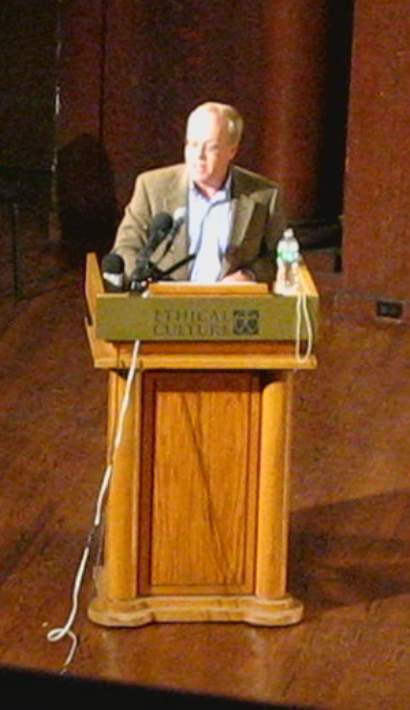
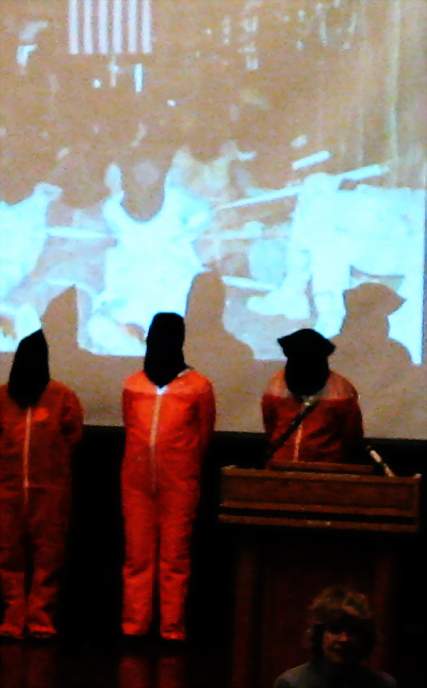
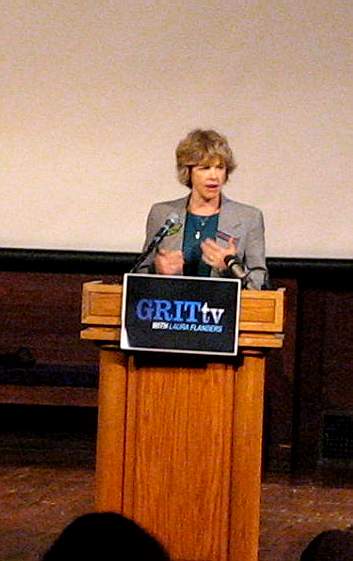
A Revolution Books Town Hall Meeting: TORTURE AND THE NEED FOR JUSTICE
We hear from Laura Flanders, journalist and host of GRITtv, and Chris Hedges, former New York Times Mideast bureau chief, author of many books specializing in American and Middle Eastern politics and society. He spent nearly two decades as a foreign correspondent in Central America, the Middle East, Africa and the Balkans. He was also the Middle East bureau chief for The New York Times. Chris Hedges’ new book, “Empire of Illusion: The End of Literacy and the Triumph of Spectacle,” will be out in July and can be preordered at your local bookstore.
Speakers :
Organized by Revolution Books / Libros Revolucion
—–
For WBAI Listeners
Men, Mobs and Law by Rebecca Hill
Men Mobs and Law is the title of Rebecca Hill’s new book that explores the complexities of protest movements, race, class and gender. Hill draws comparisons in two types of left protest campaigns, those that defend labor organizers from prosecution and the anti-lynching groups that seek to memorialize lynching victims. Hill says, both groups have influenced each other throughout history and she specifically connects the narratives and stories of the NAACP’s anti lynching work to the IWW’s labor defense campaigns.
Rebecca Hill’s treatment of these dramatic stories has been called “fresh, lively, richly detailed, and impassioned.”
Rebecca Hill:
- When I first started the book it was about martyrdom and the American Left and heroic politics. I’ll take these particular cases, John Brown, Haymarket etc.
- In the research I found that this other problem that there is no law enforcement and the source of terror that black activists were dealing with was extra-legal. . . . and their anti-lynching activism that started in the 60s – and I then went back to Ida B Wells, Dubois – 1887-1890s
- Ida B Wells talking about how dangerous passion is. This is a problem in leftest activism in general. It goes to the big questions of political theory and rationale, the role of emotions, questions of what is the meaning of popular action,
- I didn’t want to condemn either side, the anti lynching movement strategy or and the socialist left defense organizing, because they both came out of experiences that informed their politics.
- If you’re facing terroristic mobs, you’re going to respond with a strategy. The anarchists and socialists movement response spoke to the lynching and their response was in inadequate – “rise up in self defense.”
- If you lived in the post reconstructive South, rising up in self defense was not realistic without legal protection.
- What came out of the Haymarket movement in the 1880s was the idea that the key element of solidarity in a labor movement is when somebody is arrested, or victimized as a result of organizing, its the membership that can save them. Not the law. The law is a tool, it’s not enough perhaps.
- The courts are structured by the ruling class, they’re stacked against the worker who is in court. They didn’t want the court room take away from the radicalism of the movement.
- Elizabeth Gurley Flynn – defense expert in IWW trials and Sacco Vanzetti case. Anarchists connected to Sacho and Vanzetti case didn’t want structure and organizing
- I was very active in the Mumia Abu Jamal campaign, you see the greater successes in the popular defense organizing it’s not based on the legal strategy, its when is the movement stronger. You see more victories in the thirties because the labor movement was big and the consensus was moving to the left during the New Deal
- John Brown’s defense is close to the fugitive slave rescues which were anti-court . John Brown’s notion that the courts are wrong and should answer to a higher power, not the current law of slavery. John Brown attempted to make available weapons for slaves to take up arms. See the book John Brown Mysteries
- I don’t really think of John Brown as a religious zealot, I think he really believed in popular organizing and popular activism.
Guest – Rebecca Hill, author of Men Mobs and Law.
Civil Liberties, Criminalizing Dissent, Habeas Corpus, Human Rights, Impeachment, Prosecution of the Bush Administration, Supreme Court, Surveillance, Torture, Truth to Power
Podcast: Play in new window | Download
[Law and Disorder Radio: Encore Interviews on Prosecution]
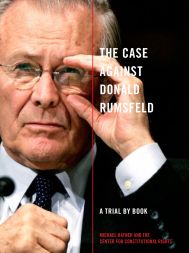
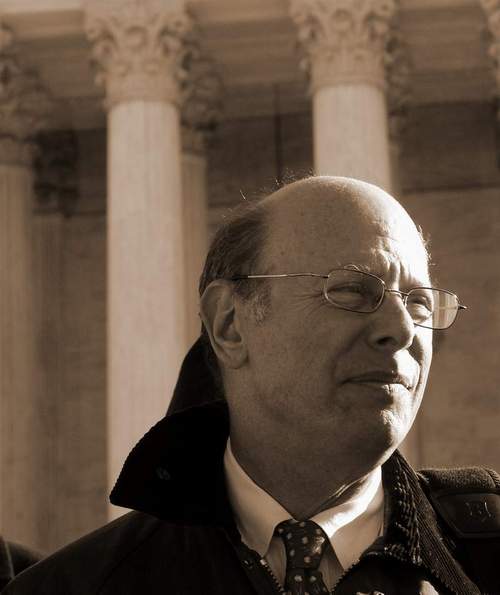
The Trial of Donald Rumsfeld: A Prosecution by Book – Michael Ratner
We are very pleased to talk with our own Michael Ratner, president of the Center for Constitutional Rights about his recent book The Trial of Donald Rumsfeld: A Prosecution by Book. Michael’s book exposes how hundreds of individuals were victims of gruesome crimes inside the secret prisons in Iraq, Afghanistan and Cuba while under International and American law. Michael Ratner not only levels the charge against former US secretary of defense Donald Rumsfeld but lists others to be guilty of the US War Crimes Act of 1996 such as David Addington, George Tenet, Alberto Gonzales, and John Yoo.
The case is presented in shocking detail, it’s a blueprint for prosecuting war criminals and a powerful reference tool for holding the Bush administration’s rogue leadership accountable. One review states that it quote represents a case that a prosecutor could bring against Donald Rumsfeld were he not shielded by dubious immunity doctrines crafted by the Bush administration and the judges it has appointed.
Guest – Michael Ratner – president of the Center for Constitutional Rights and author of many books including, Guantanamo: What the World Should Know. Michael has worked for decades, as a crusader for human rights both at home and abroad litigating many cases against international human rights violators resulting in millions of dollars in judgments for abuse victims and expanding the possibilities of international law. He acted as a principal counsel in the successful suit to close the camp for HIV-positive Haitian refugees on Guantanamo Base, Cuba. Over the years, he has litigated a dozen cases challenging a President’s authority to go to war, without congressional approval. In the wake of the September 11 attacks, the Center has focused its efforts on the constitutionality of indefinite detention and the restrictions on civil liberties as defined by the unfolding terms of a permanent war. Among his many honors are: Trial Lawyer of the Year from the Trial lawyers for Public Justice, The Columbia Law School Public Interest Law Foundation Award, and the North Star Community Frederick Douglass Award.
—–
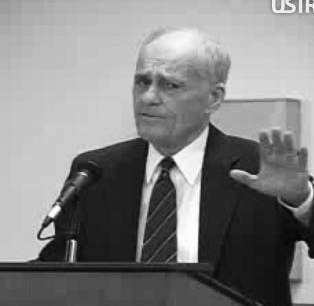
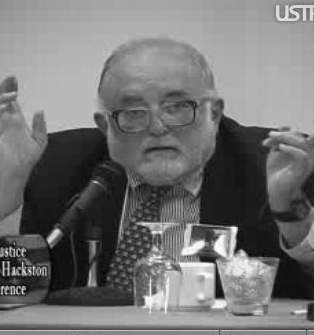
David Swanson: Why We’re Planning to Prosecute Cheney and Bush
In an article published on the website – AfterDowningStreet, author David Swanson lays out another powerful case as to why it is critical to hold leadership accountable for war crimes. He explains that if much needed change is made in the United States such as a transparent electoral process, eliminating secret government and constitutional amendments, it would still not be enough to “chain the dogs of war.” Hosts discuss with David Swanson about why it’s critical to hold a conference to plan the prosecution of Bush and Cheney.
War Crimes Conference Archive
Guest – David Swanson, creator of many media-based websites including MeetWithCindy.org and KatrinaMarch.org, he has worked as a newspaper reporter and as a communications director, with jobs including press secretary for Dennis Kucinich’s 2004 presidential and three years as communications coordinator for ACORN (the Association of Community Organizations for Reform Now)
—-
Legislation To Stop Preemptive Pardons
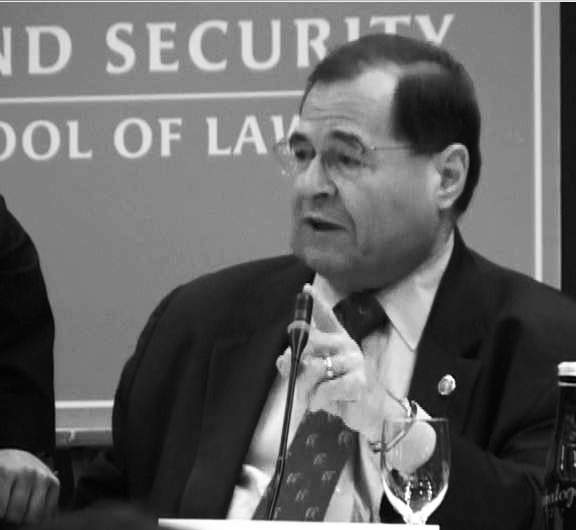
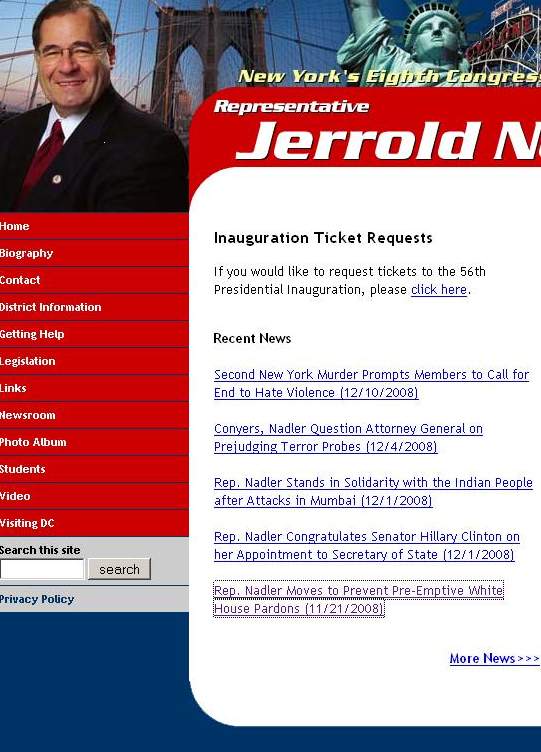
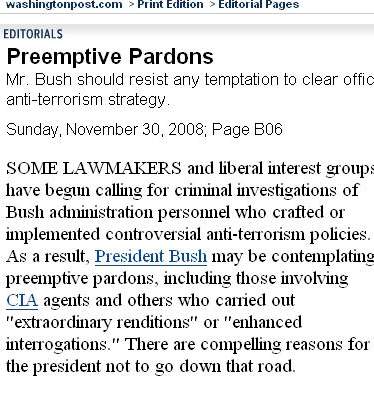
So far George W Bush has issued nearly 170 pardons, they include a Missouri farmer who unintentionally poisoned three bald eagles. Pardons give the recipients greater leeway to find jobs, live in public housing and vote. Many expect that President Bush will pardon himself and other high officials as a shelter from criminal charges and that’s what New York Congressman Jerrold Nadler is trying to prevent. Nadler is the Chair of the Judiciary Subcommittee on the Constitution, Civil Rights, and Civil Liberties, and he’s recently introduced House Resolution 1531 demanding that Bush refrain from issuing pre_emptive pardons of senior officials in his Administration during the final 90 days of office.
New York Congressman Jerrold Nadler:
- No pre-emptive pardons, the president should not do it, it’s a dangerous abuse of pardon power.
- HR 1531 also says that we believe an attorney general should appoint an independent counsel to investigate alleged various crimes, such as warrantless wiretapping, torture, renditions and so forth committed during the Bush administration.
- Premptive Pardons: President Ford pardoned Nixon, for any crimes that he might have committed.
- President H W Bush pardoned Casper Weinberger and various other people for any crimes they might have made. President Carter pardoned anyone who violated the draft laws in evading the draft during the Vietnam War.
- My feeling is the reason for pardons or give the pardon power in the first place is you want to temper justice with mercy.
- It would be an abuse of power before they get convicted of a crime. If he pardoned all the people well, then how do you develop a case.
- I think there should be a commission with supoena power, that can get at the facts, that can have people testify, that can develop more information for prosecutors to use.
- Right now the narrative will be: Nobody did anything wrong, we protected the American people from terrorism.
- We need to educate the American people about why these prosecutions must be done.
- It’s very important for the people in a democratic country to know what was done in their name.
- One of the problems we have in this country today is that everything is secret.
- The resolution will not be passed in this Congress. If Bush exercises pardons, then there’s very little we can do about those pardons. I’m going to introduce a constitutional amendment to restrict the pardon power in the future.
Guest – Congressman Jerrold Nadler – He represents New York’s Eighth Congressional district. The Eighth, one of the most diverse districts in the nation, includes Manhattan’s West Side below 89th Street, Lower Manhattan, and areas of Brooklyn including Borough Park, Coney Island, Brighton Beach, Sea Gate, Bay Ridge, and Bensonhurst.
—
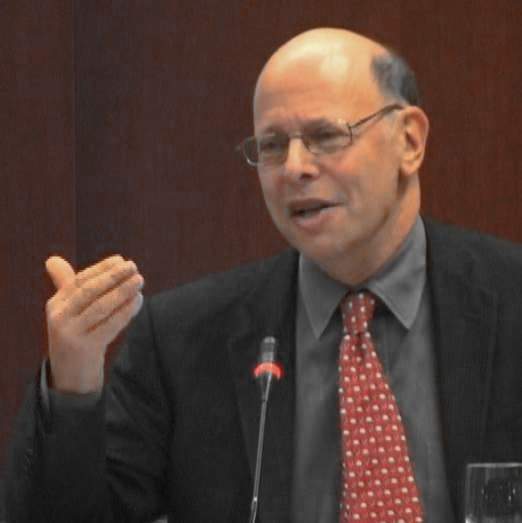
Harpers Magazine Panel: Justice After Bush: Prosecuting an Outlaw Administration
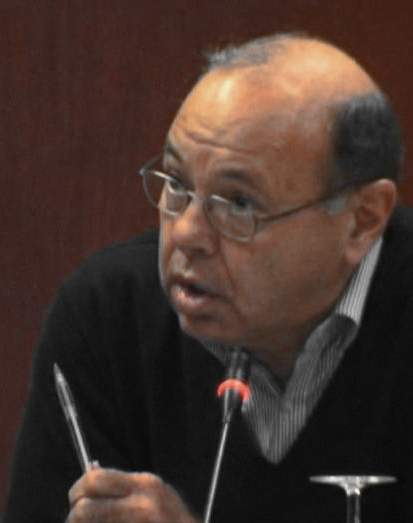
We hear from our own Michael Ratner President, Center for Constitutional Rights. The event discussed methods available to a democracy to prosecute high officials in the Bush Administration and responded to Scott Horton’s Harper’s Magazine cover story called “Justice After Bush: Prosecuting an Outlaw Administration.”
- Elizabeth Holtzman, Author, The Impeachment of George W. Bush
- Scott Horton, Contributing Editor, Harper’s Magazine
- Jerrold Nadler, Chairman, House Subcommittee on the Constitution
- Antonio Taguba, Major General (U.S. Army Ret.)
—————————————————————————————-
Censorship, Criminalizing Dissent, FBI Intrusion, Habeas Corpus, Human Rights, Impeachment, Iraq War, Prosecution of the Bush Administration, Supreme Court, Surveillance, Targeting Muslims, Truth to Power
Podcast: Play in new window | Download
Host Updates:
—
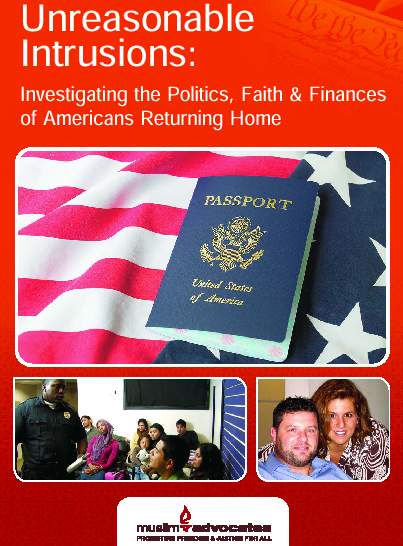
Unreasonable Intrusions Report
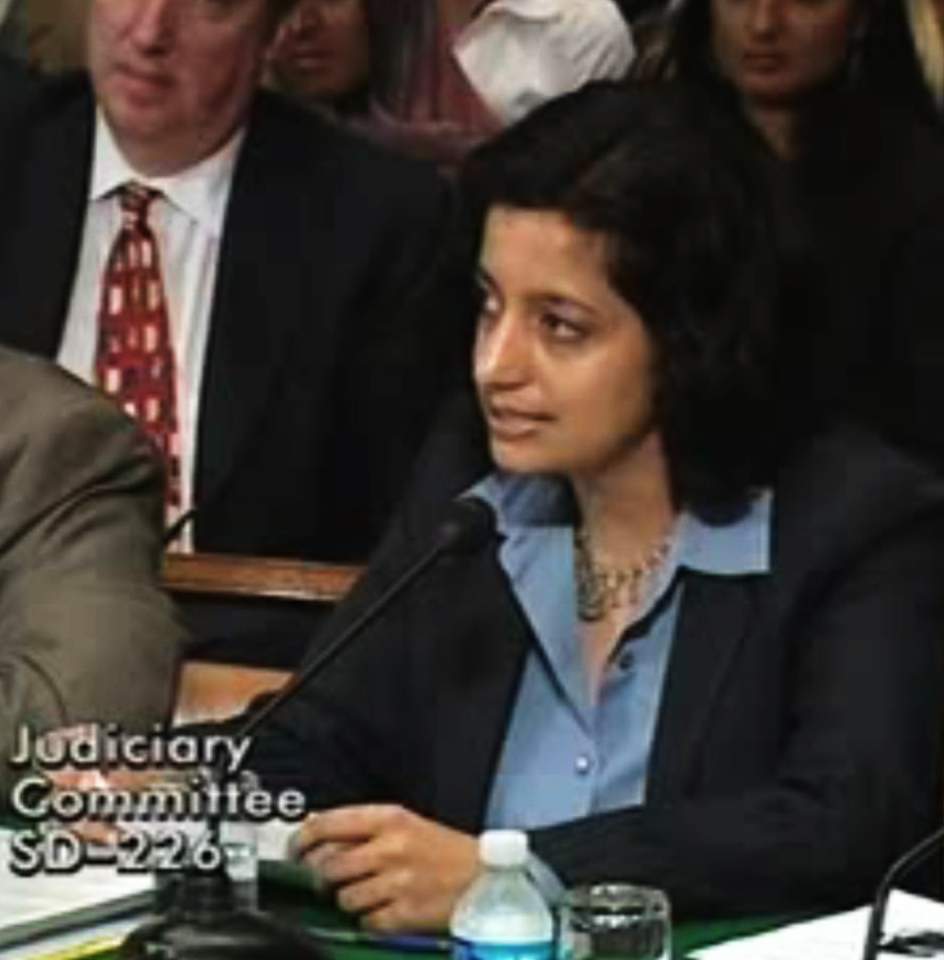
Last month, the Muslim Advocates released a report titled Unreasonable Intrusions: Investigating the Politics, Faith & Finances of Americans Returning Home. The report documents the systematic and widespread practice of federal agents interrogating Americans returning home after overseas travel at our nation’s borders and international airports. Muslim Advocates, a sister group with the National Association of Muslim Lawyers (NAML), which is a group of approximately 500 Muslim lawyers, law students and other legal professionals.
Farhana Khera:
- These are folks who are returning home from travel and they’re being stopped at borders, land crossings.
- After showing valid US passports, federal agents are engaging in very invasive questioning and searches of these Americans.
- Muslim or those Americans who may look Muslim.
- The questions (from border agents) go into first amendment protected areas. What mosque do you attend? How often do you pray?
- We want to educate federal policy makers, members of Congress, Homeland Security and the Obama Administration about this practice.
- Laptops, cameras and phones searched, in some cases asking about people in images, and how they particular individuals.
- Again, all of this without any evidence or suspicion.
- Ninth Circuit Decision US v Arnold, pretty much gives blanket authority to federal agents at the border to search laptops and electronic devices of law abiding Americans.
- We really need some standards in place that address the need of probable cause and reasonable suspicion before seizing personal data.
- We believe that Americans have the right to enter the country and not be compelled to answer questions, particularly about first amendment protected beliefs.
- We are giving practical advice in saying that you think this line of questioning is inappropriate. Get badge #’s of officers who have your stuff, then file a complaint.
- Traveler’s Privacy Protection Act – Proposed Legislation, to be re-introduced.
Guest – Farhana Khera, first Executive Director of Muslim Advocates and the National Association of Muslim Lawyers (NAML). Prior to joining Muslim Advocates and NAML in 2005, Ms. Khera was Counsel to the U.S. Senate Judiciary Committee, Subcommittee on the Constitution, Civil Rights, and Property Rights. In the Senate, she worked for six years directly for Senator Russell D. Feingold (D_WI), the Chairman of the Constitution Subcommittee. Ms. Khera focused substantially on the USA PATRIOT Act, racial and religious profiling, and other civil liberties issues raised by the government’s anti_terrorism policies since September 11, 2001. She was the Senator’s lead staff member in developing anti_racial profiling legislation and organizing subcommittee hearings on racial profiling.
—-
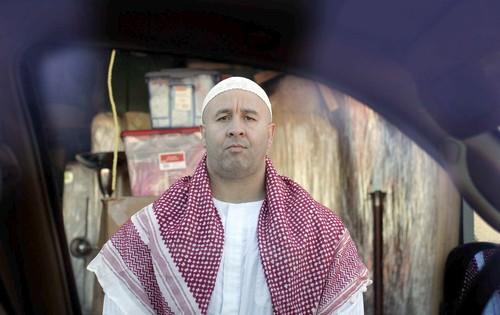
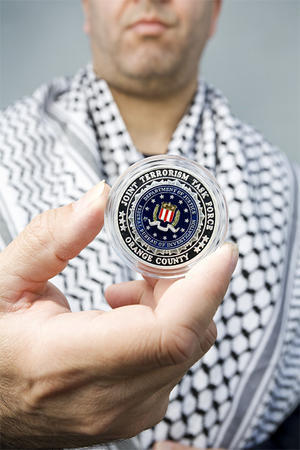
FBI Exposed: Federal Judge Orders FBI to Provide Full Muslim Surveillance Records
Last week a federal judge ordered the FBI to submit 100 documents detailing the bureau’s surveillance of Muslim leaders and organizations in Southern California and specifically, documents relating to the Council on American_Islamic Relations of Greater Los Angeles and its executive director. The court’s decision came in response to a 2007 lawsuit filed by the ACLU of Southern California that claimed the government’s incomplete and long_delayed response violated the Freedom of Information Act.
An attorney with the ACLU of Southern California says the surveillance records will show how the FBI infiltrated Southern California mosques and invasively monitored members of the Muslim community as if they were criminals.
“Truth can never be redacted. Only full disclosure will satisfy us and alleviate the pervasive fear in our communities and congregations,” said Shakeel Syed, executive director of the Islamic Shura Council of Southern California, who joins us today.
Shakeel Syed:
- It was confirmed in a court of law, under oath, that the FBI had employed informants, in one case, the informant was a former convicted felon.
- Craig Monteilh has multiple identities, he was given a different by the FBI and sent into one of the mosques.
- He embraced Islam proclaiming that he wanted to become Muslim and wanted to make his faith public.
- He abused the Islamic platform to gain trust in the community. The FBI told him the best way for you to infiltrate is to become Muslim and pretend to be a slow learner.
- The people at the mosque were alarmed when Craig Montel was encouraging others to blow up buildings in LA
- They called the FBI office on Craig Monteilh unaware that he was an informant. They brushed the report aside.
- Radiation monitoring of mosques
- We filed a FOIA request jointly not individually, which was good because what was suspected is now fully confirmed in the court of law that informants were paid as provocateurs in the area.
- In 2006, one of our members of the mosque, a student, ambushed an agent that was following him and he was apprehended by the University of Irvine campus police. We later filed a case against this individual and later never heard back from the campus police or the FBI.
- We received similar reports in our conversations with other community leaders in other areas such as Chicago, New York, Dallas, Detroit, Houston, Atlanta, Miami, San Francisco.
- It was revealed in some of the FBI surveillance documents that my private speeches were mentioned that were against the war in Iraq. Dalia Hashad – “They were in the mosque.”
- We continue to receive reports from the community on an almost ongoing basis from within the regions of Southern CA that the FBI has approached them to become informants, threatened them, intimidated them, offered them convenience of getting their naturalization papers expedited or immigration papers duly adjusted.
- I’m disgusted, but more emboldened to stand up and assert my rights.
Guest – Shakeel Syed, executive director of the Islamic Shura Council of Southern California.
———————————————————————————-
Extraordinary Rendition, Guantanamo, Habeas Corpus, Human Rights, Supreme Court, Surveillance, Targeting Muslims, Torture, Truth to Power
Podcast: Play in new window | Download
Updates:
——-
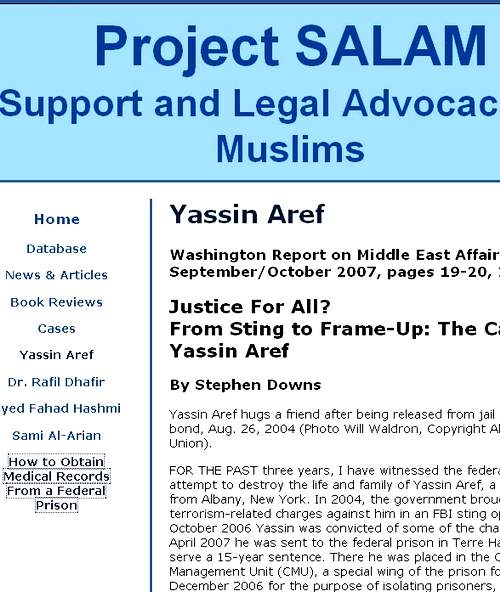
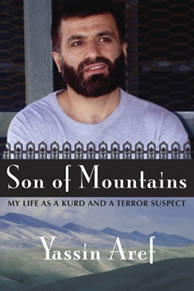
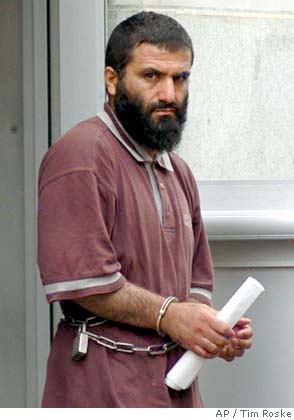
Steve Downs: The Yassin Aref Story and Muslim Database, Project Salam
Imam Yassin Aref is among numerous Muslim men in the United States who were targeted by the FBI framed and wrongly convicted. Aref is Iraqi Kurd who came to Albany, New York in 1999 as refugee from Kurdistan. He later became the leader at a local mosque. After 9/11 the FBI began to illegally wiretap and eavesdrop on the mosque and Yassin. It was later reported in the New York Times that these wiretaps were conducted without court approval. As retired attorney Stephen Downs explains, Yassin is one of 400 in a database site, Project Salam that keeps track of Muslim men in United States prison.
Stephen Downs:
- Whatever it was that triggered suspicion, the FBI decided they wanted to convict Yassir
- So, they set up sting operation, it was run by a guy who was convicted of a number of felonies.
- Yassin was convicted and sentence to 15 years in communication management units at Terra Haute Prison, Indiana,
- They’re trying to seal them off from the prison population and society at large.
- They’re being treated like they have some horrible disease and would infect anyone that they’d come in contact with.
- I have a suspicion that the Bush Administration was thinking of closing Guantanamo and I can’t help thinking that because the size of this place is about right, that they’d consider transferring prisoners there, but that didn’t happen.
- There is room for 400 prisoners, there are 50 or 60.
- We began to realize that all over the country there were groups that were forming around certain people in their communities that had been simply, locked away.
- So, we got together at Albany Law School and decided to set up a database of all the Muslims in the country who had been improperly gone after. They were under suspicion from the government for some reason.
- We just wrote to President Obama and Attorney General Holder regarding what has happened under the Bush Administration in that we change the paradigm in how we prosecute people.
- Now we’re going to be writing letters about specific cases. We got 900 people to sign the first letter.
- We are asking people to adopt a defendant.
- We have about 400 Muslims in the database. We can’t say that all 400 are innocent. Some people are overcharged.
- We appealed and lost. There was a secret appeal and a top secret brief that even the prosecutor wasn’t allowed to see.
- The appellate decision was harsh, it either mischaracterized what we had to say or brushed them aside immediately.
- We thought it was a victory because the standard is a 30 year prison sentence, based on the all the “enhancements” that they added.
Guest – Stephen Downs, a retired New York State attorney and a volunteer attorney for the Yassin Aref case.
———————————————–
George W. Bush, War Criminal ? by Michael Haas
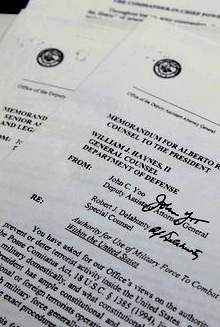
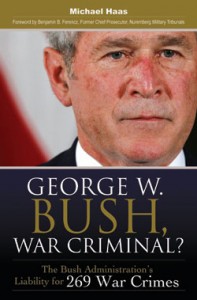
In the book titled George W. Bush, War Criminal? author Michael Haas counts 269 war crimes that the Bush Administration are liable to be prosecuted for. He itemizes each war crime into a specific category of four classes, such 36 war crimes committed in the conduct of war, 175 war crimes committed in the treatment of prisoners and so on. This book carefully documents the war crime evidence, making it quick work to investigate how George W. Bush, the military officers under his command and the staff in his administration can be brought to justice.
Michael Haas:
- The illegality of the war.
- The misconduct during war, militarily, the mistreatment of prisoner.
- The misgovernment of the occupations of Iraq and Afghanistan.
- The decision to indiscriminately bomb without giving proper notice to the civilian population and then the use of illegal weapons such as Daisy Cutters, White Phosphorous and Depleted Uranium Weapons which not only affected the civilian population in Iraq, but the American soldiers who came in to occupy.
- I have a table in the book indicating 40 international agreements that are war crimes treaties.
- The most prominent to begin with is the Red Cross Convention of 1864 and then going on to the Hague Conventions, the Geneva Conventions before and after WWII and then the subsequent conventions against torture and forced disappearances.
- Any kind of torture is illegal involving prisoners of war.
- When they couldn’t get information out of Guantanamo prisoners, the Geneva Convention orders to not torture prisoners was countermanded to try other techniques by then Secretary of Defense Donald Rumsfeld – by executive order through George Bush.
- Most of the war crimes are from the mistreatment of prisoners, because the Geneva Convention is very detailed and specific about what cannot be done.
- The Bush executive order details what had happened and in fact is an admission of abuse.
- Extraordinary renditions, to send someone to another country to be tortured is itself a war crime.
- War crimes are ongoing now, they’re happening under the Obama Administration.
- If we can’t focus on now, which apparently isn’t happening, then we can’t learn lessons from the past.
- At Guantanamo, the following war crimes are taking place: Failure to transmit legal documents to prisoners, secret judicial proceedings, refusal to cooperate in investigations and prosecution of torturers. The wreckless endangerment of health in prison, the violation of medical ethics, that is the force feeding. Indefinite imprisonment of children, cruel treatment, that is the beatings after force feedings.
- These are what I’ve counted to be 22 war crimes since the inauguration of President Obama.
- The thesis of the book is to have a truth commission on the war crimes published in this book so that people know, the public what is a war crime, what is not a war crime.
- Some of the war crimes are only heresay right now, so we need sworn testimony, though some of the war crimes are signed by George W Bush. www.uswarcrimes.com
- I was writing a textbook on human rights, I’m a scholar, political scientist, while I was reading the Geneva Conventions to summarize them for the purpose of a chapter, I was also reading the newspaper, I realized that the violations of the Geneva Conventions, and reading them item by item – its very dry reading, but I can make it much more interesting.
- I quit my job as a professor, and relentlessly began getting up at 5 AM and going to bed at 1AM day after day to finish this book, so it would be coming out just a few days before the inauguration of the new president.
Guest – Michael Haas, has written more than 30 books on human rights, he is currently Professor Emeritus of Political Science at the University of Hawaii and the Chairman of the International Academic Advisory Board of the University of Cambodia. He played a role in stopping the secret funding of the Khmer Rouge by the administration of President George H. W. Bush. He has taught political science at the University of London, Northwestern University, Purdue University, and the University of California, Riverside.The argument is that all 4 types of war crimes were violated with great impunity by George W Bush and members of his administration.
——————————————-