Civil Liberties, Criminalizing Dissent, FBI Intrusion, Gaza, Human Rights, Political Prisoner, Prison Industry, Targeting Muslims, Torture, Truth to Power, War Resister
Podcast: Play in new window | Download
Updates:
—–
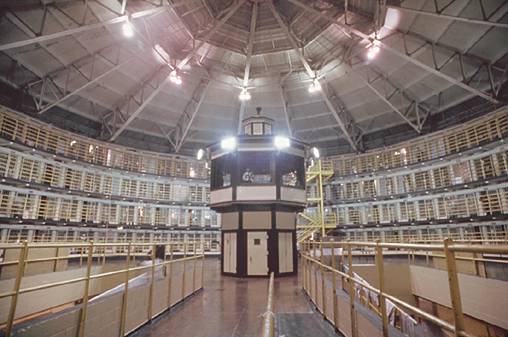
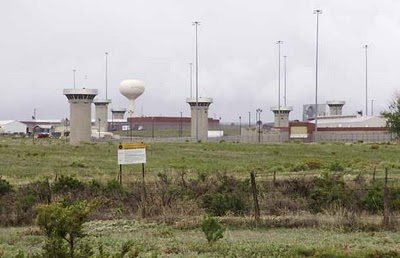
Ohio Supermax: Hunger Strike In Long Term Solitary Confinement
In an Ohio Super Max prison, 4 prisoners facing execution are confined to permanent restrictive solitary confinement. They’re on a hunger strike, bringing attention to their requests to simply be placed on death row. What’s the difference? Death row isn’t as restrictive as permanent solitary confinement. Jules Lobel, Vice President of the Center for Constitutional Rights and Professor of Law at the University of Pittsburgh explains in detail the differences of regular prison, death row and solitary confinement conditions.
Jules is working to defend the prisoners, he says that long term, essentially permanent and very harsh solitary confinement is both cruel and unusual punishment that violates due process requirement of annual review. The state of Ohio has decided to keep these four in solitary confinement permanently. It’s not only in Ohio, permanent solitary confinement is becoming a problem nationally, particularly with people convicted of terrorism related offenses, including material aid to terrorism.
Jules Lobel:
Guest – Jules Lobel, through the U.S. Center for Constitutional Rights, Jules has litigated important issues regarding the application of international law in the U.S. courts. In the late 1980’s, he advised the Nicaraguan government on the development of its first democratic constitution, and has also advised the Burundi government on constitutional law issues. Professor Lobel is editor of a text on civil rights litigation and of a collection of essays on the U.S. Constitution, A Less Than Perfect Union (Monthly Review Press, 1988). He is author of numerous articles on international law, foreign affairs, and the U.S. Constitution in publications including Yale Law Journal, Harvard International Law Journal, Cornell Law Review, and Virginia Law Review. He is a member of the American Society of International Law
——
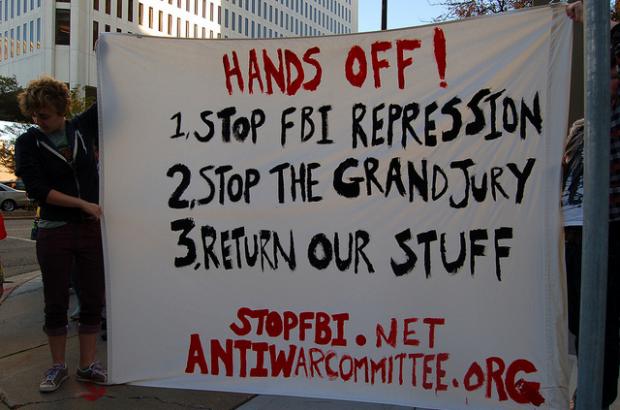
Defending Grand Jury Protesters
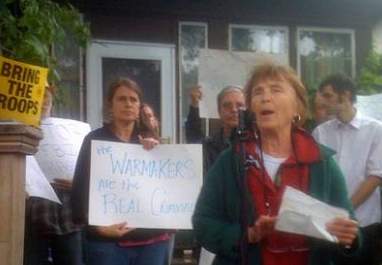
As many listeners know, last September in a nationally coordinated raid, the FBI targeted anti-war and Palestinian solidarity activists, raided their homes and subpoenaed them to appear before a grand jury. The 13 people all of whom were critical of US foreign policy, later withdrew and asserted their right to remain silent. But in early December of 2010 subpoenas were reissued against 4 of those targeted in the raids. Three women in Minneapolis, Tracy Molm, Anh Pham, and Sara Martin were sent reactivated subpoenas by Fitzgerald’s office and new Grand Jury dates.
We’re joined by Chicago based journalist and activist Maureen Murphy who also received a new subpoena. Maureen is managing editor at the website Electronic Intifada, though the site is not being targeted in the FBI probe. In a statement, the Electronic Intifada said, quote, “Although The Electronic Intifada itself has not been a target, we consider the grand jury investigation and all of the subpoenas to be part of a broad attack on the anti-war and Palestine solidarity movements and a threat to all of our rights.”
We are also joined by regular guest, attorney Michael Deutsch from the People’s Law Office and is working with the defense committee.
Maureen Murphy:
- I don’t know why its happening, we do know that no crime has been identified. There’s nothing written on my subpoena that I need to bring any documents.
- We believe that the government is subpoenaing us so that we come before a grand jury and name names, and tell them how we organize so they can further disrupt their movement. I’m one of 23 activists now who have gotten the knock at the door. My subpoena says nothing but show up, so I think this is really a fishing expedition.
- In one home they took everything with the word Palestine on it.
- The government has expended a lot of resources on an investigation of a group that has always worked pubicly to advocate for a more just US policy. I was visited by the FBI on December 21, 2010.
- A national committee that has formed around the raids and subpoenas is calling for a day of action January 25, in front of federal buildings and FBI headquarters.
- I’ve already stated that I’m not going to testify.
———
Michael Deutsch:
- In December the FBI went out with a stack of subpoenas, and wound up subpoenaing 9 additional people in the Chicago area which then makes 23.
- These people who are subpoenaed are all active in Palestinian support work. Arab American Action Network, Palestinian Support Group. This next wave of subpoenas are people who are they’re trying to gather information from.
- I’ve never in all my experience seen so many people subpoenaed to a grand jury.
- A lot of the Palestine support work has gone on in Chicago.
- Originally 14 people were subpoenaed and each one through their lawyer said they weren’t not going to voluntarily come in. Now they haven’t decided to enforce the subpoena, they said well get back to you when we decide what we’re going to do.
- There are 23 people lined up trying to figure out what the next step of the government is.
- These prosecutors don’t seem to know who they’re dealing with. They see the grand jury as a tool of oppression.
- I believe that the Israeli security apparatus is involved in supplying information to the US government.
- There’s no evidence here of any type of violence or weapons. We’re dealing with advocacy and associations.
- Despite Holder v the Humanitarian Law Project, we believe that it’s a total violation of the First Amendment.
- The underlying tenor is going after people because of their political ideology.
Guest – Maureen Murphy is a journalist and Palestine solidarity activist from Chicago. She spent a few years living and traveling throughout the Middle East, interning for the Palestinian human rights organization Al-Haq in the occupied West Bank in 2004-06 before she was denied entry and deported by the Israeli government. She also lived in Lebanon in 2007, learning about the human rights situation for Palestine refugees and the impact of U.S. foreign policy there.
Guest – Michael Deutsch, attorney with the People’s Law Office in Chicago.
Climate Change, Criminalizing Dissent, Extraordinary Rendition, Human Rights, Political Prisoner, Prison Industry, Torture
Podcast: Play in new window | Download
Updates:
—–
Economic Recovery? Austerity in the US and Abroad
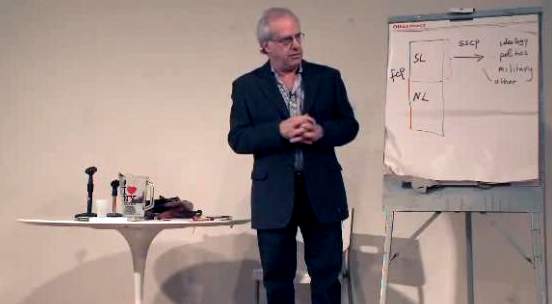
In our previous interview with Professor of Economics, Rick Wolff, we talked about austerity, that is imposing on society a severe regimen of rising taxes, or cut government spending to please and satisfy creditors. Massive protests erupt against austerity in Greece, Portugal, Ireland and soon maybe Spain, as governments raise college tuition, taxes, retirement ages plus cutting worker benefits and wages. These austerity measures are about to hit the United States. Veiled in the recent tax deal with the Republicans is a decision Americans will need to make. Higher taxes or cut services? With growing debts made worse by Obama’s tax deal, the US moves quickly toward austerity while the political establishment and the media mostly pretend all is well says Rick Wolff.
Professor Rick Wolff:
- In order to get anything through, the President had to accomodate the richest people in the United States and the biggest corporations. I’m going to allow you to pass even more wealth to your children or the people who inherit your estate. Here’s an extra gift, the estate tax.
- These are the people who did the best over the last 30 years. Wage earners and salary earners went nowhere, but people rich enough to own shares in the stock market made out like bandits.
- Estate tax, you can earn money for the state to run services we all need by taxing the super-rich so they’re not quite so far ahead. What this last bill does . . rich people in America were already allowed to leave 3.5 million dollars for each person (husband/wife) to their children or anyone else and the federal government wouldn’t touch it.
- Less than one half percent of Americans who even have this amount of money.
- This new law raises the amount from 7 million per couple to 10 million per couple. The new tax law also reduces the amount to pay from 45 to 35 percent. A gift in the millions for the super-rich.
- Translating into billions of dollars that are now going to be saved by the richest people in the United States. We’re going to be talking about the difficulties the government has in doing things because it doesn’t have money. The government just gave away the store to richest one half of one percent.
- What the rich do when they get a break like this, and when you turn to Wall Street, the hottest investments are in other parts of the world. Funding economic development in other parts of the world.
- Unemployment is as high as it was a year ago. Foreclosures are running at a multi-million dollar clip per year.
- Last month the Federal Reserve decided to print another 600 million dollars. My view is we’ve got years of unemployment ahead of us, years of a disasterous housing market, very few signs of recovery.
- The worst has yet to hit. It takes time for states to crumble.
- The municipal bond market, the debts of cities and towns are going to see significant default.
- You need organization to act in historic moments that moments where people need action.
- The flow of jobs from the United States to other parts of the world is continuing. American corporations don’t see the US as a “growth area.” They’re focused elsewhere.
- We’re becoming a society where large numbers of people are living on the margins. It’s a new experience in this country after a century of being a little different from that.
Guest – Richard D. Wolff is Professor of Economics Emeritus, University of Massachusetts, Amherst where he taught economics from 1973 to 2008. He is currently a Visiting Professor in the Graduate Program in International Affairs of the New School University, New York City. He also teaches classes regularly at the Brecht Forum in Manhattan.
———–
Two Year Evaluation of the Obama Administration
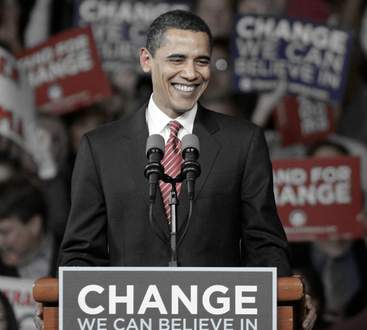
There is a long list of items progressive Americans had hoped to accomplish through the Obama Administration. In our interview with Roger Hodge, author of The Mendacity of Hope: Barack Obama and the Betrayal of American Liberalism, Hodge says Obama didn’t fight for anything worth fighting for. With corporate backers such as Goldman Sachs, Morgan Stanley and Citi-Group, the Obama Administration has been severely compromised. These corporations expect something in return. The Obama Administration has been criticized for expanded the wars abroad from Iraq, Afghanistan, Pakistan and Yemen, criticized for continuing the Guantanamo detention policies, the Wall Street bailouts and bargaining with the Healthcare bill as a bailout for insurance companies. In this aftermath of 2010 and we look back to 2008.
Nellie Hester Bailey:
- A browner hue of imperialism. The policy of the US government at home and abroad would remain the same. When we look at the platform of then presidential candidate Barack Obama, he made very clear that he was a centrist candidate. In many instances to the right of Hillary Clinton, if one can imagine that.
- We were never taken in, mesmerized, blinded . . we knew very well who he was.
- He has proven to be much worse than anticipated. Not for me but for my colleagues who were cautiously optimistic.
- On January 20th, President Obama is going to deliver his State of the Union Address. Everyone expects this is going to be the prelude for another deadly compromise for the working class.
- There was a study done in the Guardian newspaper and amazingly African Americans were more optimistic about their economic situation and felt much more secure under Barack Obama’s administration than ever before. When in fact just the opposite is true.
- African Americans have lost trillions of dollars in the housing crisis, the mortgage scam.
- We have to remember it was President Barack Obama that gave the banks a free ride.
- We have added 9 billion dollars to the deficit with this tax cut deal, that is extending the tax cuts to the 2 percent of the wealthy. We are supposed to believe that he did this for us? The poor and the working class?
- Unlike the right wing, I believe he will be a one term president.
- What we need for the working poor and African Americans is the blinders to be pulled off, so people can see what it is that we are dealing with. When you look at the report from the CDC where have a 50 percent increase in the number of people that are uninsured.
- The work force is being reduced, we are expected to work longer hours, we are expected to retire later in life, we are being worked to death. These are the undeniable realities.
- You can no longer herd the people like sheep into this nightmare of compromise.
- After 2 years, I think progressives for Obama need to step back and realize their responsibility for building a working class people, multi-racial movement.
- You have to commit to a movement, you don’t do that as an individual.
- Open Letter to encourage self-proclaimed left leaders such as Bill Fletcher, Tom Hayden and Barbara Ehrenreich to move from critical support into active opposition of the administrations agenda.
- I co-host a program with Glen Ford who is the Executive editor of Black Agenda Report.
- Black Agenda Report, we air on Mondays at 5 PM.
Guest – Nellie Hester Bailey, human rights activist who has worked in peace and justice movements for over forty years. From her early organizing with the Student Non-violent Coordinating Committee, to tenant rights and anti-war struggles, to advocacy on behalf of women Bailey has been at the forefront of social justice and social change organizing. Bailey co-founded the Harlem Tenants Council (HTC) in 1994. She currently serves as Director of the tenant led grassroots organization based on the self-determination tradition of radical activism that provides anti-displacement organizing for poor and working class families primarily in Central Harlem
Bailey is co-founder of Blacks in Solidarity Against the War that in 2005 help stage the largest anti-war demonstration in Harlem since the invasion of Iraq. A founding member of Cuba Solidarity New York, Bailey traveled to Cuba on three separate occasions.
————-
CIA Sponsored Terror, FBI Intrusion, Human Rights, Surveillance, Targeting Muslims, Torture, Truth to Power
Podcast: Play in new window | Download
Updates:
—
A Kidnapping In Milan: The CIA On Trial
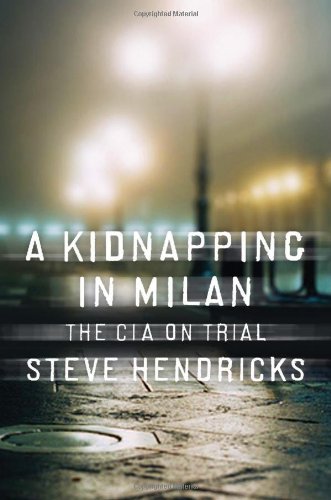
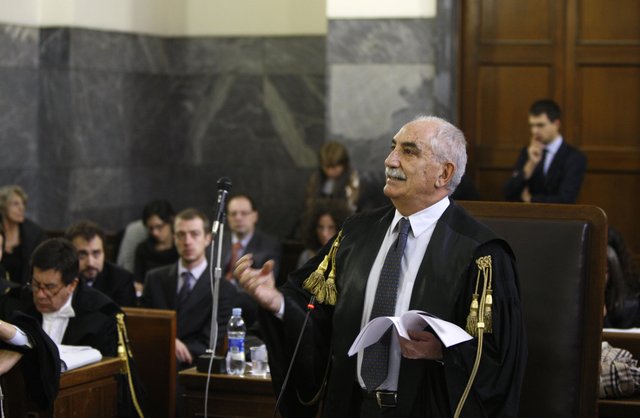
A Kidnapping In Milan: The CIA On Trial is the title of Steve Hendricks’ new book. It is a fast paced account of the realities of counter terrroism. Hendricks gives the reader a beginning to end view of international Islamist terrorist networks in Europre while examining the questions of justice and the rule of law. He writes in detail on the February 2003 disappearance of the radical imam Abu Omar and how under the leadership of prosecutor Armando Spataro, Omar was kidnapped, and sent to be tortured in Egypt. Hendricks traces Omar’s roots in the jihadist world of the Middle East and his travels to Pakistan, Albania and eventually the rundown fringes of Milan. Rivalries, mistrust and bad communication is chronicled amid the CIA, the FBI and the Italian counter terrorism agencies as operatives snatched Abu Omar from the streets of Italy.
Steve Hendricks:
- The Italian counterterror police had this imam, Abu Omar under tight surveillance, under suspicion of terrorism. He was one of the ring leaders of a terrorist cell. They were about a month away from arresting him. But one fine day in February 2003, he sets off for his mosque and disappears.
- The CIA had grabbed him off the street literally at high noon. They roughed him up, gagged him, drove him several hours across northern Italy –sent him to Cairo were for months and months he was savagely tortured.
- The Muslim Brotherhood, which really might thought of as the godfathers of radical Islam, got its start in Egypt and toehold in Alexandria. Islam is not going to be re-born simply on its goodness, we have to fight for it.
- The Egyptian authorities cracked down on the radicals and a great number of them fled all over the world, they scattered. Europe was tolerant of foreigners, Italy was one of those countries.
- Abu Omar was tortured for about a year and then they let him out and said don’t talk about it.
- Armando Spataro is this charismatic figure. He did his formative work as a magistrate prosecuting terrorists of the left.
- When the kidnapping in Milan (by the CIA) happened on his watch, he treated it like anything else. He put his foot down on the rule of law.
- SIM Card – Subscriber Identity Module. It’s not just reading the radio waves, it’s in constant contact with the cell tower back and forth. Most cell companies keep record of those interactions. What these kidnappers sloppily did is use their cellphones like teenagers.
- The Italian prosecutors were able to find these kidnappers, they were able to track their movements everywhere they went. Armando Spataro eventually brought charges against 25 CIA agents and one US Air Force Colonel that coordinated the arrival of agents at Aviano Air Base.
- 23 of the 26 of the accused were convicted of kidnapping. They recieved five to eight years depending upon their degree of involvment. What moved me to write this book, over everything was outrage over our inhumanity.
- America has been conducting renditions for about a century.
Guest – Steve Hendricks, a freelance writer living in Knoxville, Tennessee, and Helena, Montana. He is the author, most recently, of A Kidnapping in Milan: The CIA on Trial. His previous book, The Unquiet Grave: The FBI and the Struggle for the Soul of Indian Country, made several best-of-the-year lists in 2006.
—
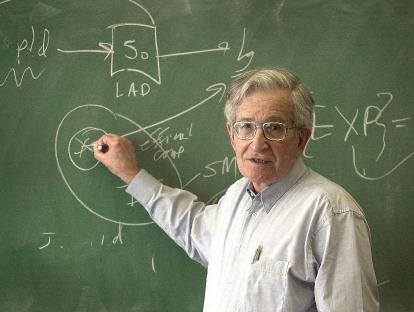
Noam Chomsky – Gaza in Crisis: Reflections on Israel’s War Against the Palestinians
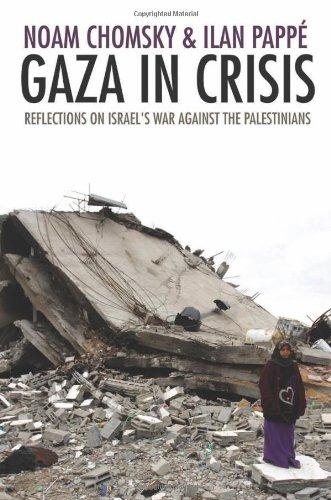
Here on Law and Disorder we’ve chronicled the events of Israeli forces in Gaza and the West Bank. Today we’re delighted to have with us Noam Chomsky, one of the world’s foremost social critics, institute professor emeritus in the MIT Department of Linguistics and Philosophy and author of many books including Failed States and Hegemony or Survival, but we talk with him today about his latest book Gaza in Crisis: Reflections on Israel’s War Against the Palestinians. Noam Chomsky wrote Gaza In Crisis with Ilan Pappé, professor of history at the University of Exeter in the UK. This book surveys Israel’s recent attacks on Gaza from Operation Cast Lead to the Gaza Freedom Flotilla in a very sobering analysis.
Noam Chomsky:
- Let’s start with wikileaks. One of the interesting cables from the Tel Aviv embassy and it was to Clinton.
- It was giving her talking points, about the attack on Gaza, and it tells her Israel had to attack on December 2008 in self defense because Hamas had violated the truce.
- In December 2008 Hamas called for a renewal of the truce that Israel had broken. Israel considered it and rejected it. I should say US/Israel because these are joint activities.
- The fact that this can pass without comment, tells you quite a lot.
- In the whole wikileaks episode, in my opinion is the remarkable fact is the absolute contempt of democracy that’s revealed by the embassies.
- The most critical issue is did Israel have any right to use force in the first place? Any right?
- Why have a border cutting Galilee in half?
- The only way I know how to proceed is to get the United States to join the rest of the world and stop its rejectionist opposition to the overwhelming international consensus, agree to a two state settlement.
- The strongest support for Israeli crimes is coming from the business world.
- The most rabid supporter of Israel in the media is the Wall Street Journal. They’re not part of AIPAC, that’s the business world.
- US military intelligence are tightly integrated with Israel. Israel destroyed secular Arab nationalism, that’s when US / Israeli relations took off in their current form.
- It’s about expansion of settlements. Israel already controls 42 percent of the West Bank.
- The issue is the settlements, they are all illegal.
- It designed so that there will be no Palestinian self determination.
Guest – Noam Chomsky, n American linguist, philosopher, cognitive scientist, and political activist. He is an Institute Professor and professor emeritus of linguistics at the Massachusetts Institute of Technology. Chomsky is well known in the academic and scientific community as one of the fathers of modern linguistics, and a major figure of analytic philosophy. Since the 1960s, he has become known more widely as a political dissident and an anarchist, referring to himself as a libertarian socialist. Chomsky is the author of more than 150 books and has received worldwide attention for his views, despite being typically absent from the mainstream media.
————-
Afghanistan War, Civil Liberties, Criminalizing Dissent, Human Rights, Targeting Muslims, Torture, War Resister
Podcast: Play in new window | Download
Updates:
—
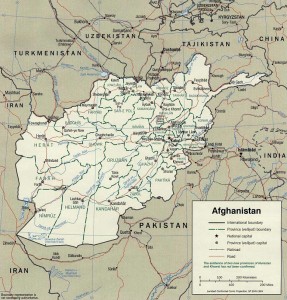
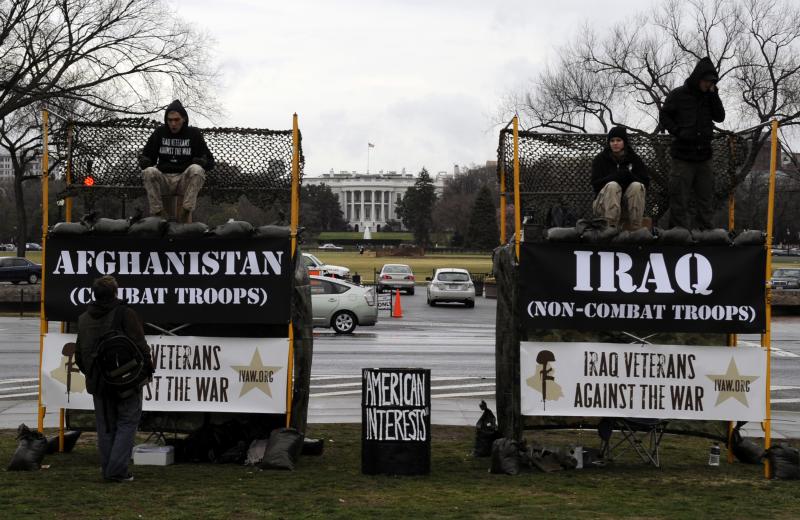
Afghanistan Invasion/Occupation To End Beyond 2014
Thousands took to the streets of London last week to protest against the war in Afghanistan and Iraq, as Nato leaders agreed a strategy to withdraw their troops from the country. US President Barack Obama was expected to announce an exit strategy from Afghanistan at the NATO summit in Lisbon, instead he postponed troop withdrawal beyond 2014. Vice President Joe Biden told one media source “Daddy is going to start to take the training wheels off in October — I mean in next July, so you’d better practice riding.”
Jerry Gordon:
- End date 2014, there’s nothing firm about it. “2014 is a goal not a guarantee.”
- Everything is tentative, nothing is concrete. They are pursuing what has been called an “endless war.”
- what is less known is the US Government supported the Taliban, because their priority was a stable government in Kabul, that would permit the construction of a pipeline.
- They needed a pipeline to transfer these giant hydro-carbon reserves, we’re talking about 206 trillion cubic feet of natural gas and 60 to 200 billion gallons of oil reserves.
- This was all before 2001, it was planned. There’s plenty of evidence. There’s a long speech in the Congressional Record in 1998 about the critical importance of building a new pipeline in Afghanistan.
- This is all geo-political and economic, it’s empire building.
- It became converted into a war on terror, after 9/11.
- At the same time there’s no money to pay unemployment compensation and all the urgent social needs at home to put people back to work
- The anti-war movement needs to reiterate the origins of the war and the rationale.
- There’s no draft, only a small percent of the population has placed Afghanistan at the top of the priority list.
- Past anti-war movements: We had a mass base among the students. We need to tie the war to the economic crisis, bring the war dollars home.
- Rethink Afghanistan: Destroys Failed Logic of War by Jeremy Scahill
- When they kill leaders, they get replaced, and it generates recruiting among the insurgents.
- US Law Labor Against the War was able to get the AFL-CIO to take a position of rapid withdrawal from Iraq.
- Our biggest problem in terms of constituencies, we do not have a mass base. It’s the students the labor movement and the religious community. Everything is imploding in this country.
- Contact Jerry Gordon – natassembly(at)aol.com
Guest – Jerry Gordon, the main organizer of the well attended anti-war conference in Albany last summer. He was the leader in the anti-Vietnam movement and recently retired from the SEIU.
—–
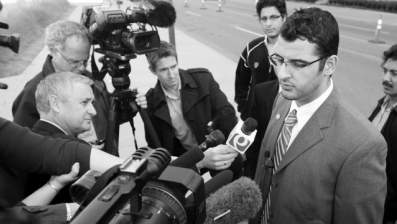

CAIR Files Suit Against Oklahoma Vote Opposing Sharia Law
In November, 70 percent of Oklahoma approved ballot initiative “Question 755? — or the “Save Our State” constitutional amendment — which bans Sharia from being considered in Oklahoma courts. The ballot states that Oklahoma courts must “rely on federal and state law when deciding cases” and forbids them from “considering or using international law” and “from considering or using Sharia Law.”
Recently, Muneer Awad, executive director of CAIR-OKC filed a lawsuit challenging the constitutionality of State Question 755, and an Oklahoma City judge extended a temporary ban on implementation of a constitutional amendment. U.S. District Judge Vicki Miles-LaGrange said she will rule after weighing the issues. Muneer Awad, who is Muslim says the amendment demonizes his faith.
Muneer Awad:
- Labeling Islam as a unique threat to Oklahoma courts. It was a clear message that Islam is a threat to Oklahoma.
- I think what happened is a handful of politicians realized that Islamophobia is politically popular.
- I can count on one hand how many politicians didn’t vote to put this on the ballot.
- Those politicians were attacked during the campaign as being people that wanted to bring Sharia to Oklahoma so terrorists can use Islamic law in our courts
- If we don’t act now our state will be in peril. There are politicians that deliberately misinform people, that deliberately lie to people in order to gain political popularity in the polls.
- There are a number of non-Muslim Oklahomans that are concerned by State Question 755 and the perception and effect it has on Oklahoma.
- We’re trying to remind people that this isn’t a reasonable conclusion people made after a lot of thought and reasonable research. These were people that were misled by politicians that have lied to us.
Guest – Muneer Awad, executive director of CAIR-OKC
—–
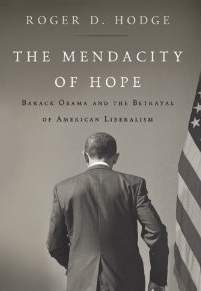
The Mendacity of Hope: Barack Obama and the Betrayal of American Liberalism.
In a scathing attack from the left, former editor in chief of Harper’s magazine, Roger Hodge offers a powerful critique of President Barack Obama in his new book, The Mendacity of Hope: Barack Obama and the Betrayal of American Liberalism. Hodge articulates what many of listeners may already know. President Obama has served the corporate masters. Hodge draws a list of examples, such as cheerleading globalization, designing a health care plan where insurance companies make a killing, extrajudicial assassination of American citizens, boundless state secrecy, and unlimited corporate bailouts, to name a few.
In explaining the book, Hodge told Harper’s magazine in an interview, he used 18th century reflections to James Madison, whose philosophy aligned with republicans such as Machiavelli and James Harrington in the argument that a moderate balance of wealth must be maintained, that too great a distinction between the rich and poor would naturally lead to the decay of republican governance.
Roger Hodge:
- Obama’s most enthusiastic supporters have really been lying to themselves.
- Part of the book is an argument against this tendency for people to deny what’s going on right in front of them.
- We ran a piece in Harper’s by Ken Silverstein, a great investigative reporter who argued, this guy is a conventional machine Democrat.
- He set up shop. Come to me corporate America with your problems and I will try to solve them.
- You listen to this inspiring rhetoric, if you look at it on paper, there wasn’t a lot of content there.
- When it comes to an Obama / McCain-Palin – there’s an arguement to be made constitutionally we might be better off with the Republicans.
- Corporate backers: FIRE sector. Finance/Insurance/Real Estate.
- The number one corporate backer was Goldman Sachs. Goldman Sachs collectively gave Obama, almost 1 million dollars but invested only 230 thousand dollars for McCain.
- Obama’s backers also included, Morgan Stanley, Citi-Group is up there with 750 thousand, JP Morgan Chase . . they don’t do this out of the goodness of their hearts.
- They expect to get something, and as we saw in the rolling bailouts, the financial sector got tremendous return on investments.
- Democratic think tanks set the stage for the financial crisis that we’re still living through, by deregulating finance, by breaking down the New Deal protection, repealing the Glass-Steagal Act, and deregulating derivatives with the Commodities Futures Modernization Act.
- The old idea, that unfortunately is still with us, that the democrats are the liberal party, the party of the common man who are fighting the big business bad guys in the Republican party is really a myth, and it’s a pernicious myth.
- Health Care was a bailout for the insurance companies, Obama and his team always saw that as a bargaining chip, they never really planned on pushing that through. Having health insurance does not guarantee health care.
- Rahm Emanuel, this is a guy without principles, he’s all about winning and raising money.
- You can say, at least he’s tough, but he didn’t fight for anything worth fighting for.
- A president surrounds himself with people who are ill-liberal, who are completely compromised by their connections with Wall Street.
- We have to gain some leverage over our representatives. It’s a real double bind. People don’t want to reckon with the sheer awfulness of the our political culture.
Guest – Roger Hodge, former editor of Harper’s Magazine from March 2006 through January 2010. Hodge attended the University of the South, where he majored in comparative literature. He began graduate work at the New School for Social Research and completed a master’s degree in philosophy, but joined Harper’s before finishing his dissertation. Hodge first came to Harper’s as an intern in 1996 and was subsequently hired as a fact checker. Hodge edited the Harper’s Reading section from 1999 until 2003.
———————————————————————–
Afghanistan War, Civil Liberties, Criminalizing Dissent, Habeas Corpus, Human Rights, Surveillance, Targeting Muslims, Torture, Truth to Power
Podcast: Play in new window | Download
Updates:
——

Rachel Corrie Lawsuit In Israel
Rachel Corrie, an American student activist and human rights defender from Olympia, Washington, was crushed to death on March 16, 2003, by a Caterpillar D9R bulldozer while nonviolently protesting Palestinian home demolitions with fellow members of the International Solidarity Movement.
The first phase of the trail began in March 2010, when the Corrie family presented its witnesses, including several of Rachel’s colleagues from ISM who witnessed her killing. During the second phase of the trial, which began last month, the government presented several witnesses, including the Israeli military police investigator who headed the investigation into Rachel’s death, and the bulldozer operators who struck and killed her.
The lawsuit charges that Rachel’s killing was intentional. It also charges that the Israeli government was negligent for allowing Israeli soldiers and military commanders to act recklessly using an armored military bulldozer without regard to the presence of unarmed, nonviolent civilians in Rafah, Gaza Strip. Lastly the lawsuit alleges that the Israeli military failed to take appropriate and necessary measures to protect Rachel’s life, in violation of obligations under Israeli and international law.
Katherine Gallagher:
- Rachel had been serving as a peace activist with the Palestinian International Solidarity Movement.
- The case is unfortunately taking quite a while, it was filed back in 2005, then the evidentiary phase opened in 2010. At that point the Corrie’s were able to call their own witnesses. They also called an expert who could speak about how to conduct a proper investigation.
- The investigator testimony revealed huge errors in the way the investigation was carried out.
- Errors include: The bulldozer was removed from the scene of the killing. There were investigators in the case who never went to the scene of the crime.
- On October 7, right before testimony, it was permitted that soldiers involved in the incident be allowed to testify behind a screen.
- This is an extraordinary step, the family if unable to see those soldiers who are able to provide some answers even through their body language as they testify.
- For the Corries who have waited 7 and a half years for some answers, that they won’t be able to assess the credibility by his body language is a significant blow.
- When you say the name Rachel Corrie in Israel, people know who she is.
- CCR Lawsuit: Caterpillar had aided and abetted war crimes and other serious violations of international law.
- It struck how Jerusalem has changed. There’s been a massive amount of construction in the old city and particularly around East Jerusalem.
Guest – Katherine Gallagher, Senior Staff Attorney at the Center for Constitutional Rights, where she focuses on holding individuals, including US and foreign government officials, and corporations, including private military contractors, accountable for serious human rights violations. Among the cases she is working on are Arar v. Ashcroft, Matar v. Dichter, Saleh v. Titan and Estate of Atban v. Blackwater.
——
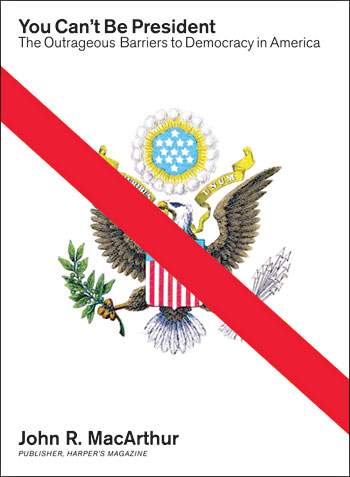
You Can’t Be President: The Outrageous Barriers to Democracy in America
John Rick MacArthur is the president and publisher of Harper’s Magazine. He’s an award winning journalist and author. We want to talk with Rick about his third book titled You Can’t Be President: The Outrageous Barriers to Democracy in America and explore the topic of who finances the Republican and Democratic parties. A recent book review states, that it (quote) advances a familiar argument: that moneyed and privileged interests, rather than the needs and opinions of ordinary citizens, dominate contemporary American politics. MacArthur, begins by lamenting the lack of basic comprehension of the Constitution and American government on the part of the political and media elite. The book also criticizes Barack Obama and Hillary Clinton.
Rick MacArthur:
- There are two balance sheets, there’s one with regard to the people of the United States and the other which I talk about in You Can’t Be President is the internal party structure.
- The balance sheet for the people is bad, we are now enmeshed even more in a self destructive war if possible than Iraq was. Afghanistan is a disaster and you don’t have to ask a peacenik.
- You have a fake health care reform which really reinforced the power of the insurance companies.
- You have a very feeble reform of Wall Street. You have a continuation of anti-labor,orthodox “free trade” policies. You have the continued corruption of the lobby system in Washington.
- Coming from Chicago, if Obama attacked the lobby system it would be like committing political suicide.
- Obama broke every record in corporate fund raising, PAC fund raising. He raised money from Jack Abramoff’s old law firm.
- In sum, he’s (Obama) has been an anti-reformer, anti-progressive.
- On civil liberties, if you criticize Bush it’s great, if you criticize Obama, you can hear a pin drop.
- I met someone who did a tour of the new prison in Baghram, Afghanistan. He said it was terrifying.
- You have to understand that the Chicago machine, is the most powerful local machine in the country.
- Almost every important job in the county is held by a Democrat. The mayor of Chicago is very much like the dictator of Chicago. Obama came out of the most intolerant, the most monopolistic, one sided political machine in the country.
- Murdoch’s bundled campaign contributions were 50/50 between Clinton and Obama.
- I don’t see why we can’t organize around an opposition candidate, raise some money.
- I think what you’re seeing is disillusionment among the party leadership with Obama, because he hasn’t delivered the goods.
- They wanted Obama to deliver the 2016 Olympics to Chicago.
- Obama is a tremendously prudent and cautious politician, there’s no audacity at all.
Guest – John Rick MacArthur, an American journalist and author of books about US politics. He is the president of Harper’s Magazine. MacArthur has been a reporter for The Wall Street Journal (1977), the Washington Star (1978), The Bergen Record (1978–1979), Chicago Sun-Times (1979–1982), and an assistant foreign editor at United Press International (1982).
Civil Liberties, Criminalizing Dissent, Extraordinary Rendition, FBI Intrusion, Habeas Corpus, Human Rights, Military Tribunal, Supreme Court, Surveillance, Targeting Muslims, Torture
Podcast: Play in new window | Download
Updates:
- Anwar Al-Aulaqi Case – Drones Targeting US Citizens – Obama Wants To Dismiss CCR/ACLU Case
- CCR Guantanamo So Called Suicide Cases
- Supreme Court Will Not Review Case On Feds Wiretapping Guantanamo Lawyers
- Bombing of the USS Cole – Could Prosecutors Use The Fruit From the Poisonous Tree?
—-
NYC NLG Street Law and Racial Profiling Program
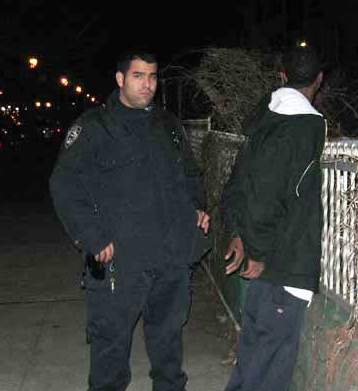
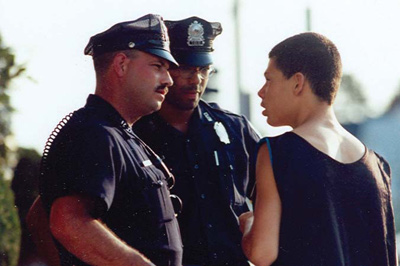
Today we’re joined by Paula Segal and Gabriela Lopez with the New York City Lawyers Guild Street Law Clinic Program. The project sends groups of attorneys to conduct “Street Law” workshops with a range of students in high school. We’re also joined by students from the Aarturo A. Schomburg Satellite Academy High School who were part of the street law classes.
Street Law Students:
- In my neighborhood it’s really common for the Police to bother you for no reason. I don’t think they had the right to go into my pockets unless they had reasonable suspicion. This happens at least 3 times a week.
- One time they took me into the precinct, took my picture, ran my fingerprints.
- I was getting off the train and these two big police men were getting off the train and they stopped me. They said we have her on the walkie-talkie. This women said take off your sneakers. She kept asking, where is it? Where is it? That’s when she started to get physical and she lifted up my shirt. “If you don’t f-in’ tell me where it’s at, I’m going to strip search you. It happened on Elder Avenue, next to the 6 train.
- They say no, we’re not going to touch you, then he throws me on the car.
- You guys are unfolding my socks right now, and I don’t like this. There’s a certain way that I fold my socks.
- After they find nothing, they say you should change your attitude. I said, you should change your attitude.
- A lot of cops judge character, when I see cops, you have to give them an expression. Hey look I’m out here, I’m not tryin to get in that car.
- I’m thinking about the cops catching the real villans. If you’re really guilty you’re going to get hassled, if you’re not guilty,then you can be free. The advice I get from the street law project is not consenting to the search.
- From my knowledge, the cops need a certain amount of arrests at the end of the month, so they’ll pick on anybody. They curse a lot. Undercover cops, they’ll probably have on a hoodie, try to fit in with everybody else, it just don’t work.
- Law Student Paula Segal: We focus on giving people tools to walk away, to avoid arrest.
- Law Student, Street Law Coordinator Gabriella Lopez: Last year we went to more than sixty different sites. Sixty to Seventy different trainings that occured last year.
- Email the Street Law Team – streetlawteam@gmail.com
Guests – Paula Segal and Gabriela Lopez with the New York City Lawyers Guild Street Law Clinic Program. Aarturo A. Schomburg Satellite Academy High School Students: Charisma Whaley / Joseph Campbell / Kiara Avila / Stephanie Colon / Jonathan Jeffries.
—-
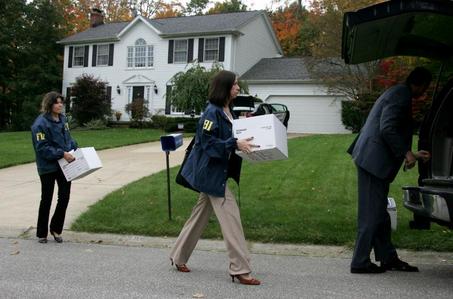
Grand Juries Historically and the Minneapolis / Chicago FBI Raids
A total of 12 people were served with subpoenas during last months FBI raids in Minneapolis and Chicago. The FBI targeted anti-war peace activists and key organizers of demonstrations and marches who have been asked to appear before a grand jury. What is a grand jury? Historically, a grand jury was supposed to be citizens coming together to determine if charges should be filed criminally against someone. Today, it’s very different. It’s mostly a rubber stamp for what the prosecutors want. If you refuse to testify at a grand jury, you can be taken to a judge to answer questions. If you refuse to answer those questions you could be put in jail.
Margaret Ratner-Kunstler:
- If you were subpoenaed before a grand jury in 1968 and you asserted your grand jury right, then that really was the end of your participation in the grand jury.
- You asserted immunity and if you we’re given immunity, you couldn’t be indicted.
- Immunity: Nothing you say could be used against you, but anything you testified about could not be the subject of a criminal indictment against you. Your words could not be held against you, or the fruits of those words. But it’s so easy to get around that, by a prosecutor saying, this didn’t come from this.
- If you then refused to testify given this minor immunity, you could be subject to imprisonment.
- If you refuse to testify you’re brought back before the judge and the judge then holds you in “civil contempt.”
- The grand jury is usually about 18 months. The grand jury in Chicago is a special grand jury which means it’s twice as long.
- That’s important because if you’re held in civil contempt, the keys to the jail are in your pocket. You’re in jail for as long as you refuse to testify.
- If you say something you could wave your fifth amendment right by already saying something.
- The recent FBI raids represents the tremendous see-change we have in terms of the ability for people to actively oppose this government’s policy.
- In 1983, there were many groups in this country who were joining forces with progressive groups in Central America. You had the Committee in Solidarity With the People Of El Salvador.
- Each of the 11 individual persons subpeoned wrote letters to the Attorney General saying that they would assert their fifth amendment right and that they would not testify.
- If they can’t get you on a federal charge it’s often that they’re looking for a mistake you made in conversation, even an informal conversation with a federal official.
Guest – Magaret Ratner-Kunstler, an attorney in private practice. As education director at the Center for Constitutional Rights, she originated the Movement Support Network and authored “If an Agent Knocks.” Kunstler is the President of the William Moses Kunstler Fund for Racial Justice, a foundation established in 1995 in the memory of her late husband to combat racism in the criminal justice system.
———————